
Last updated September 20, 2026
Level 1 sweep and inspection to the NFPA 211 annual standard - flue, crown, cap, and flashing checked and photographed
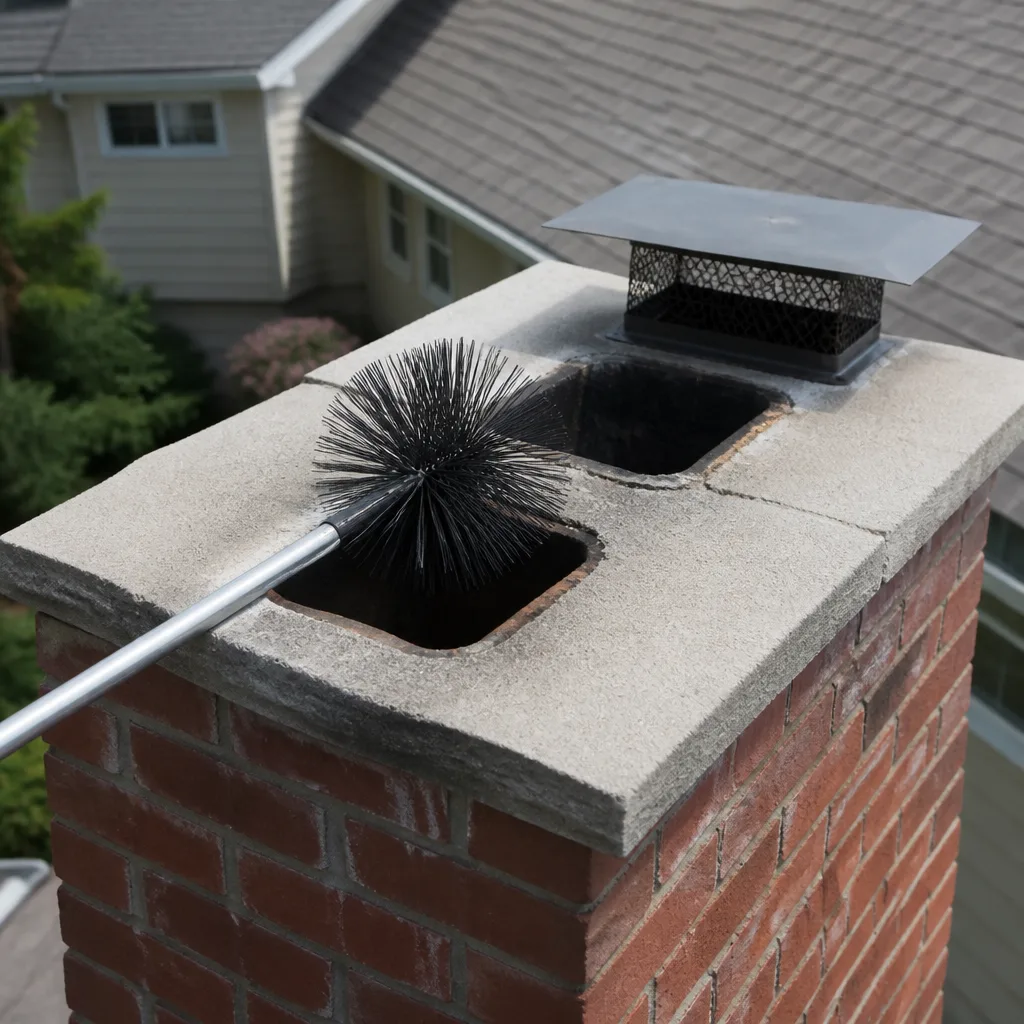
Chimney sweep logs do not sweep chimneys. They loosen some creosote - which then falls where a brush and vacuum still have to collect it.
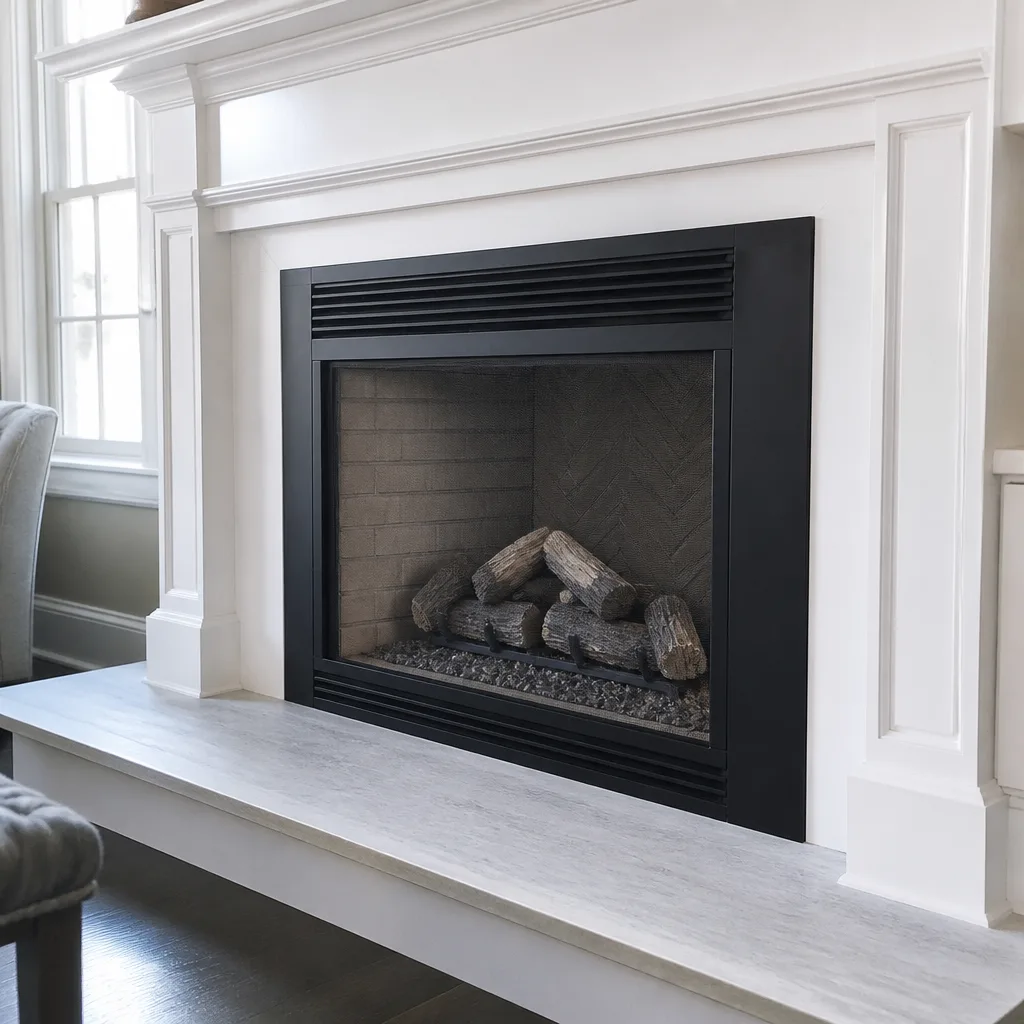
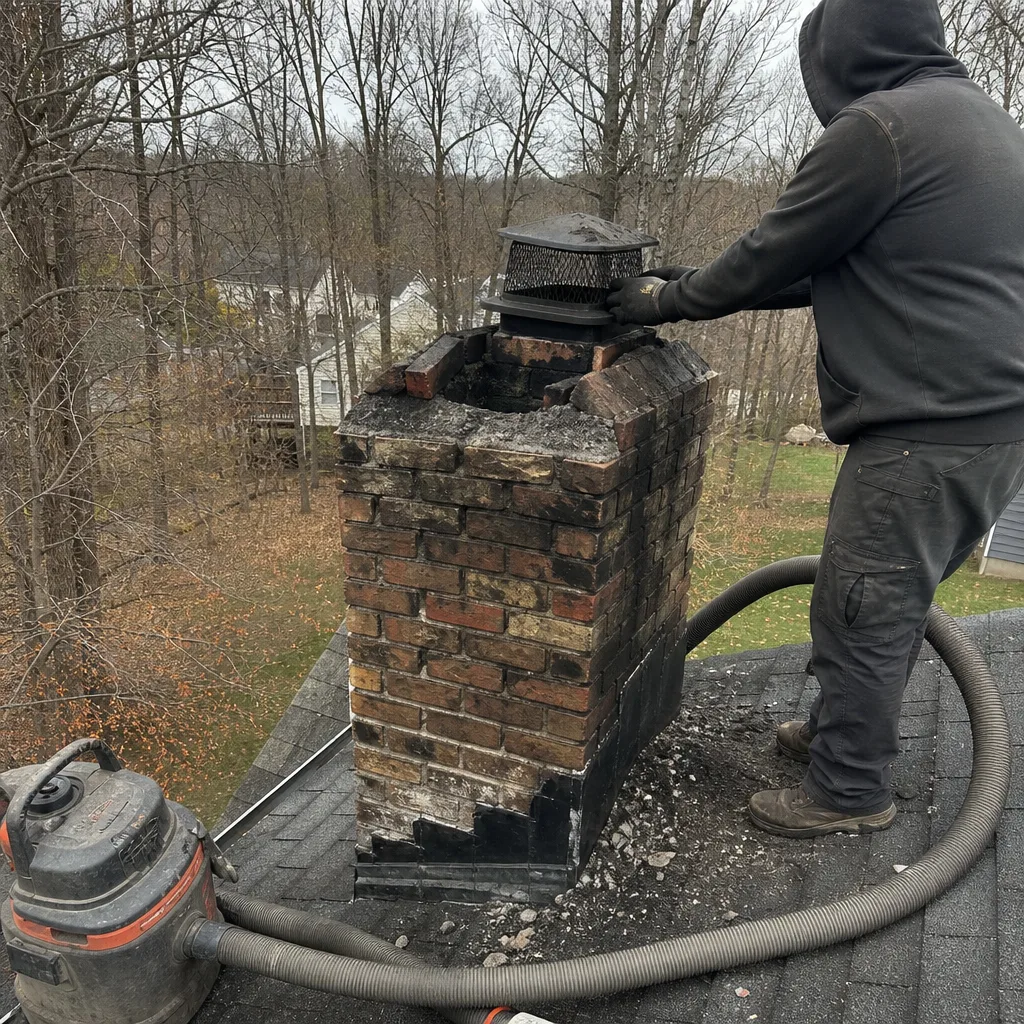 Before
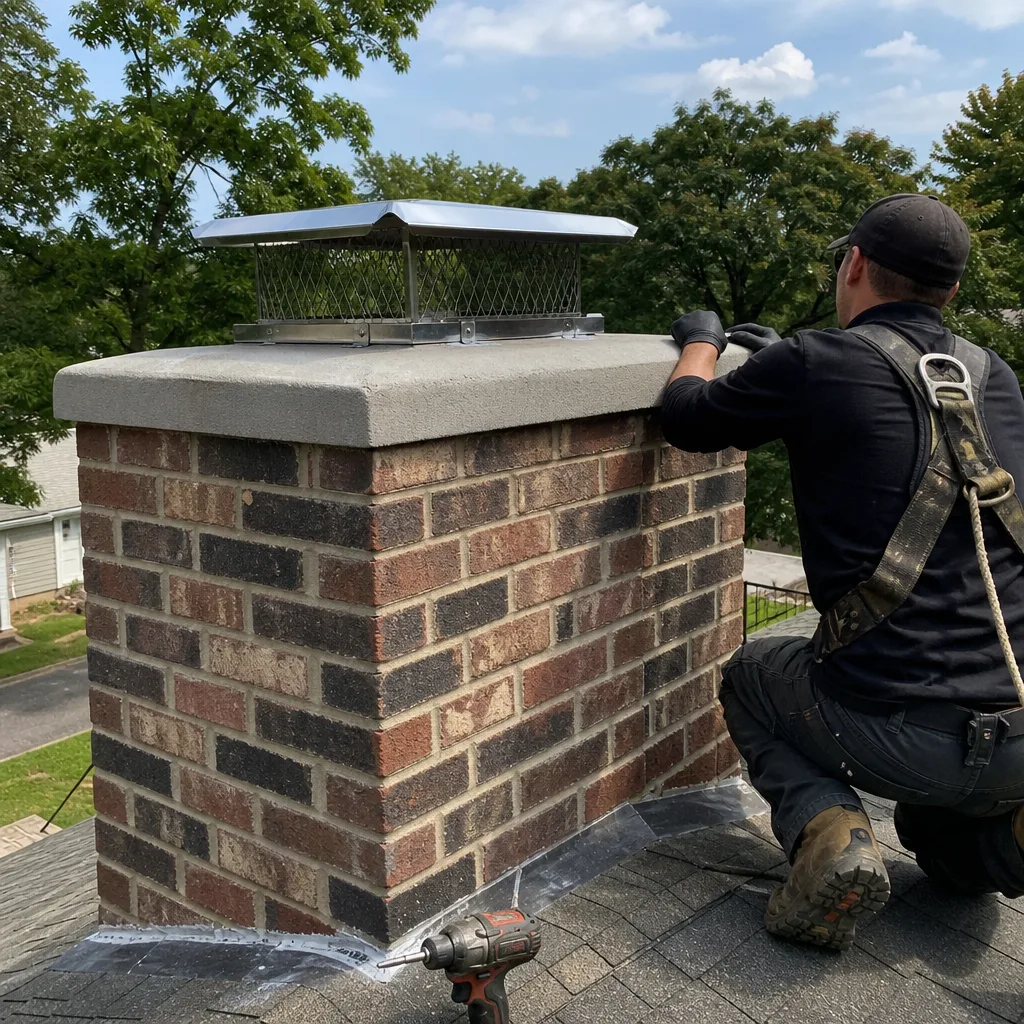 After
After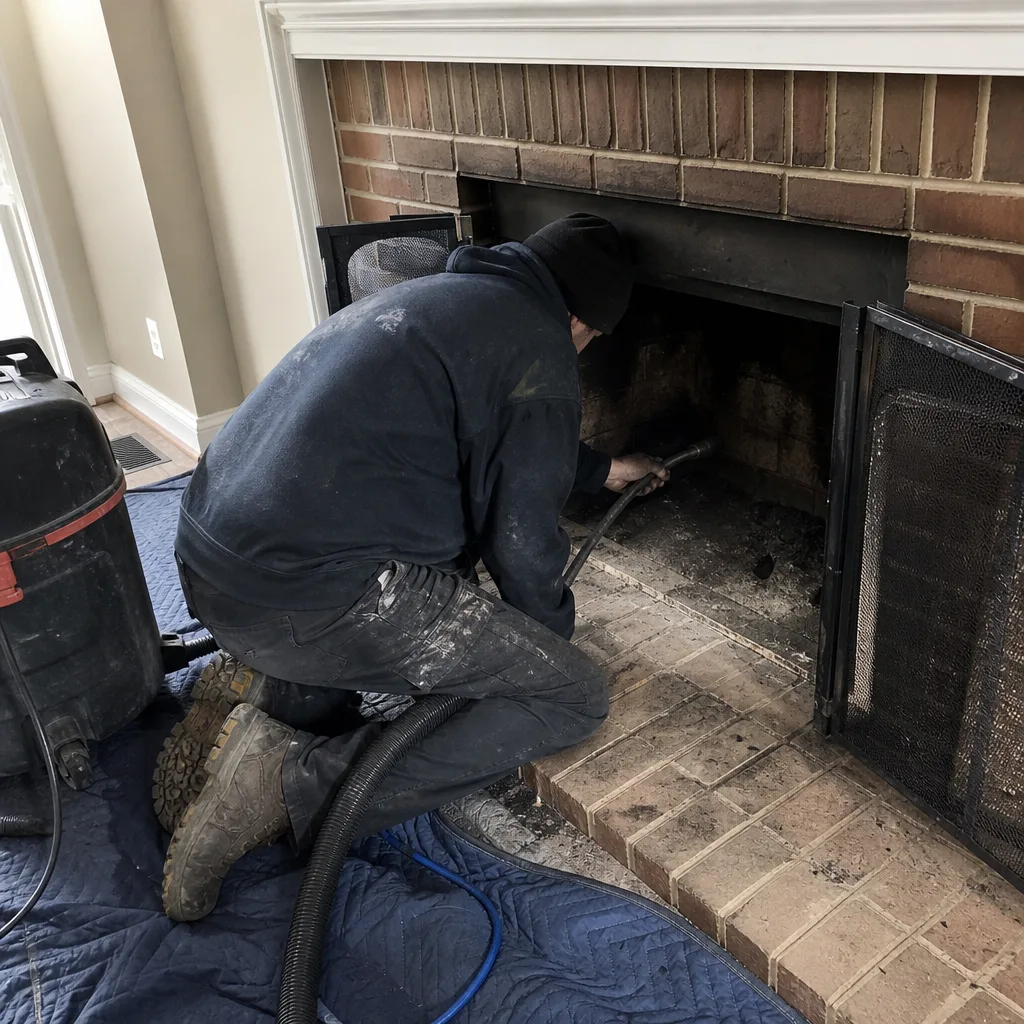 Before
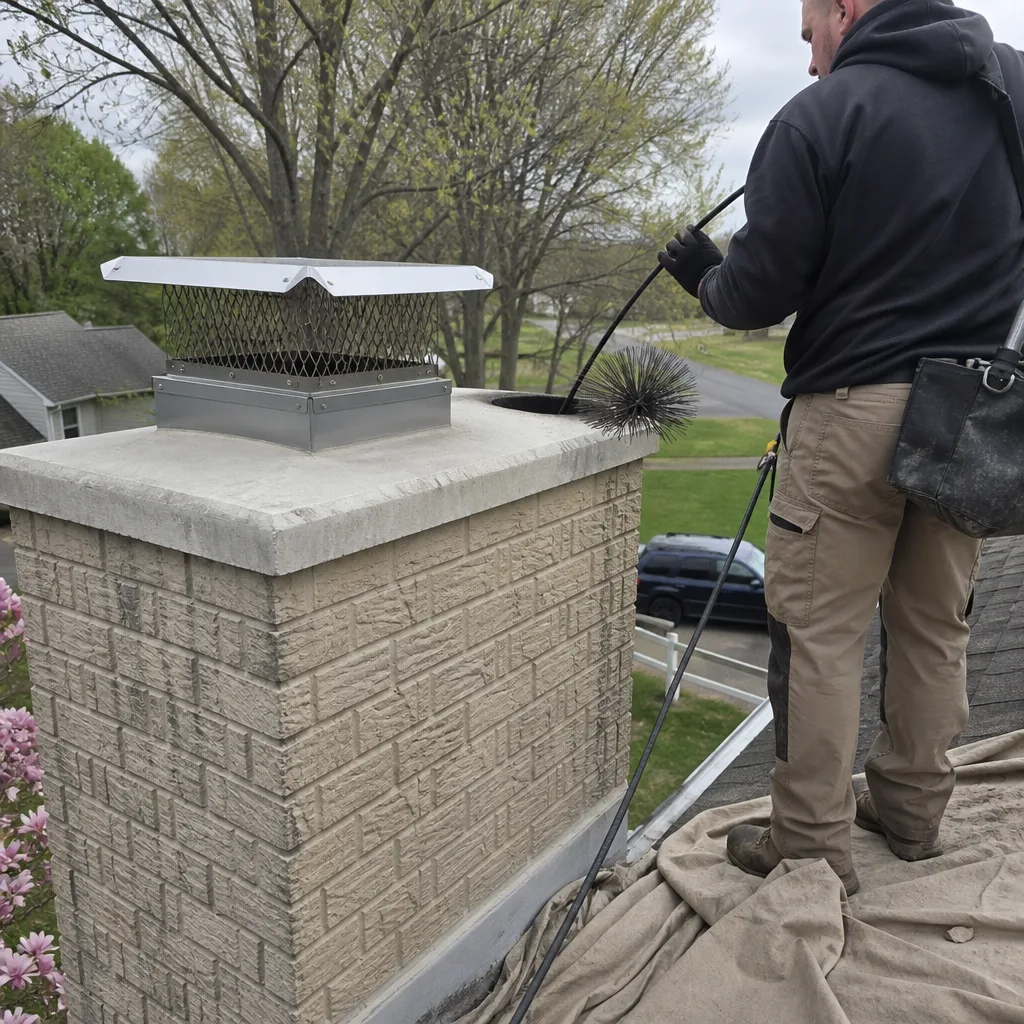 After
After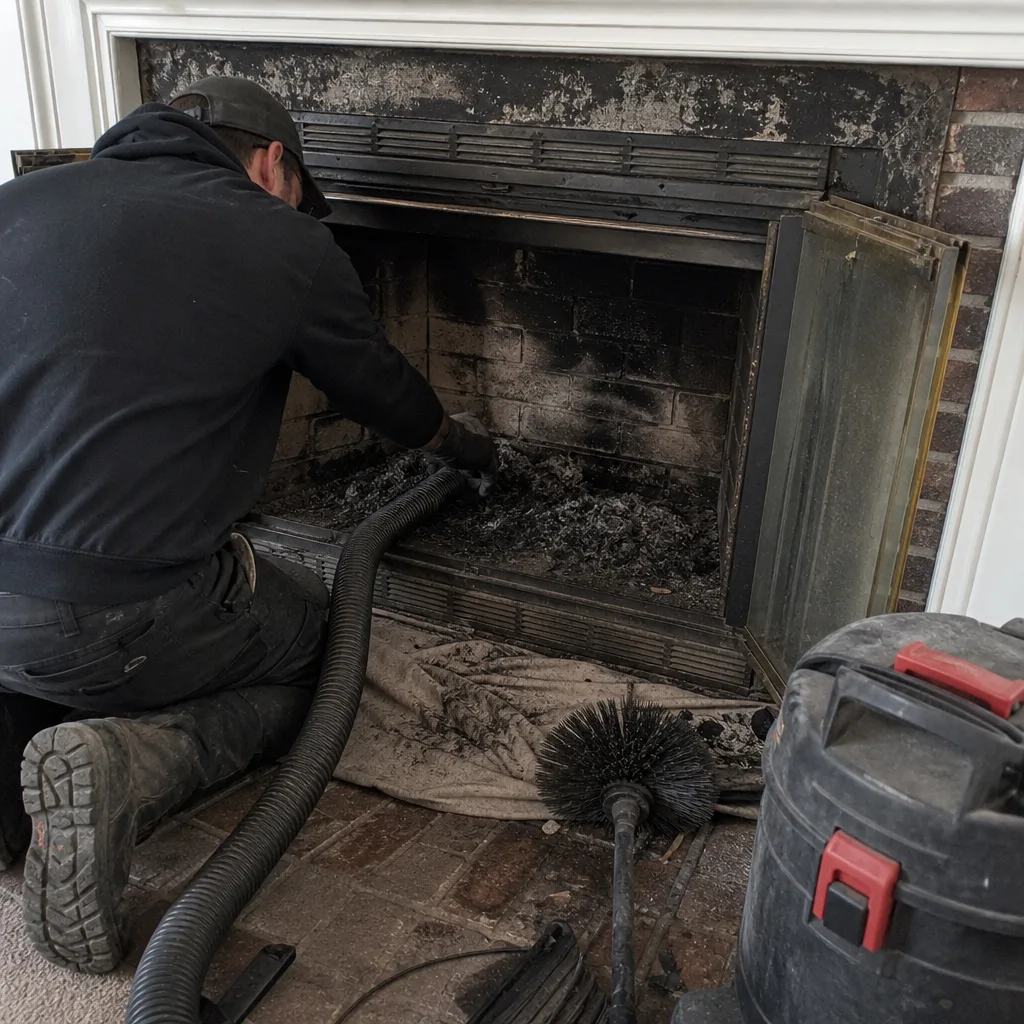 Before
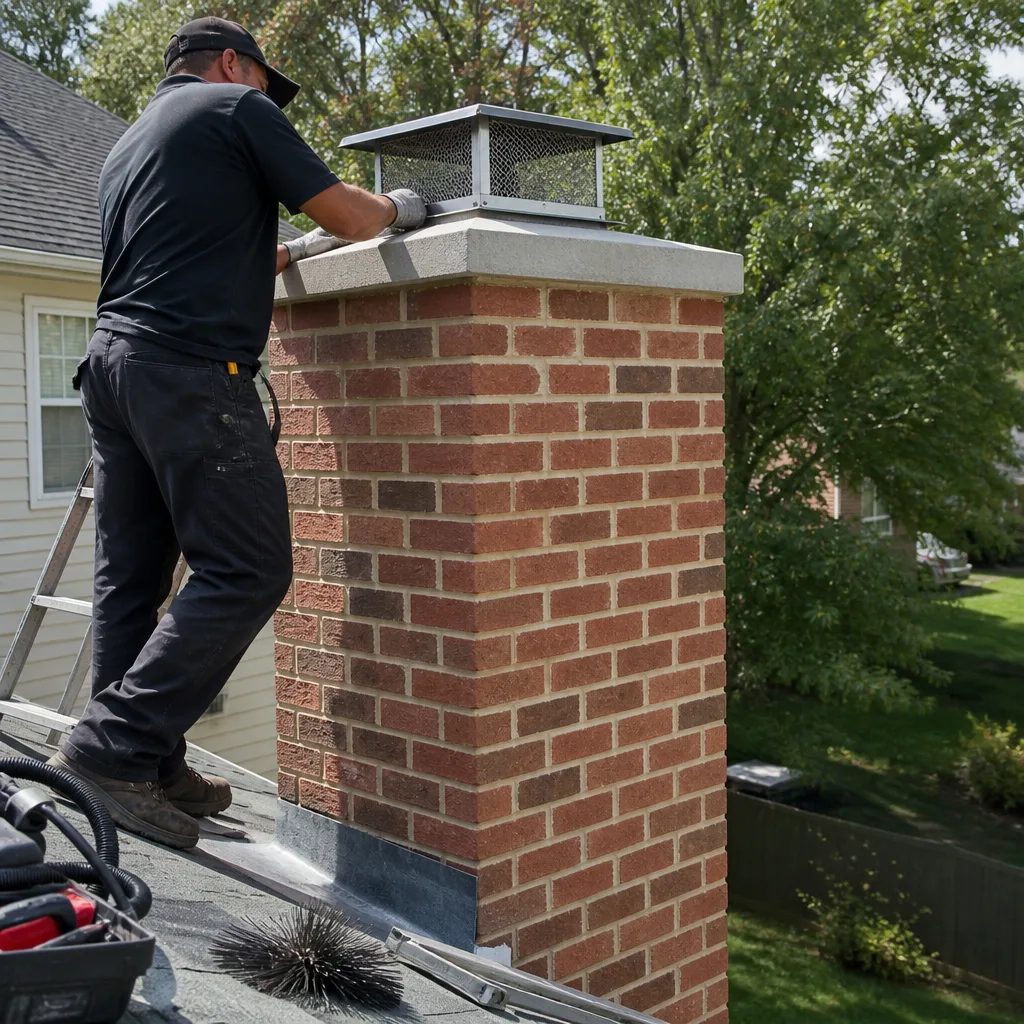 After
AfterSeasonal Chimney Cleaning Care for Manassas: Year-Round Homeowner’s Guide
The chimney damage Northern Virginia homeowners discover in October usually started forming the previous spring, during the months they assumed nothing was happening inside a flue they weren’t using. Manassas sits in a climate band where humidity, not cold, does the slowest and most expensive damage to masonry. This guide maps the actual Prince William County weather calendar to what’s happening inside your chimney each month, so you schedule maintenance that catches deterioration early instead of paying for rebuilds that could have been prevented. You’ll learn what a summer flue actually does to itself, why the spring sweep matters more than the fall one, and how to time your Chimney Cleaning & Sweep in Manassas so you’re never stuck in the October backlog.
Quick Answer
Schedule a Level 2 camera-scan chimney cleaning in Manassas in late summer (August through mid-September), not October. Summer humidity in Prince William County is when clay flue tiles absorb moisture and begin spalling, and a late-summer inspection catches that deterioration with enough lead time for repairs before burn season opens. A professional sweep in Manassas typically runs $189 to $349, and the camera documentation you walk away with is the only way to verify what’s actually happening inside the flue.
Table of Contents
- The Manassas Climate Calendar: What Each Season Actually Does to Your Chimney
- What Happens Inside a Clay-Tile Flue During a Northern Virginia Summer
- Month-by-Month Maintenance Decision Guide for Prince William County
- The Spring Sweep Most Homeowners Skip, and What It Finds
- Why a Late-Summer Level 2 Scan Beats a Fall Appointment Every Time
- Manassas Burn Season: Creosote Classes and What They Mean for Your Fireplace
- Moisture Intrusion Points Specific to Manassas Homes
- What Documentation You Should Walk Away With After Any Chimney Visit
BeforeAfterThe Manassas Climate Calendar: What Each Season Actually Does to Your Chimney
Manassas gets about 43 inches of rain a year, and the bulk of it falls between April and September, when the air is also thick with humidity that regularly pushes past 70%. That’s the environment your chimney sits in for six straight months before you ever light the first fire of the season. Freeze-thaw cycles in January and February get the blame for most chimney damage, but in our experience across more than 38,000 inspections since 2009, the damage we document in October was almost always seeded the previous spring and summer.
Here’s the seasonal mechanism, mapped to what we see in Manassas flues (see our full maintenance checklist):
- Spring (March-May): Rain saturates the crown and the top courses of brick. Clay tile liners, which are porous, begin absorbing moisture. Hairline cracks that were invisible in January open slightly as temperatures swing.
- Summer (June-August): Humidity stays high and temperatures climb. Moisture trapped inside the flue liner expands and contracts daily. This is spalling season for clay tiles, when thin layers of the liner surface begin flaking off. The process is slow, silent, and invisible from the outside.
- Fall (September-November): The first fires of the season hit a liner that may have been quietly degrading for months. Thermal shock widens the cracks. The homeowner notices poor draft, smoke backup, or a strange smell, and calls a sweep in October, when every sweep in Prince William County is booked three to five weeks out.
- Winter (December-February): Freeze-thaw cycling does its showy work on the exterior masonry, but the liner damage is already done. Snow melt seeps into open mortar joints and refreezes at night, pushing bricks outward. The chimney you see deteriorating in winter was compromised months earlier.
The takeaway for a Manassas homeowner isn’t that chimneys are fragile. It’s that the inspection schedule most people follow, fall only, is timed to catch damage after it’s already expensive. The spring and late-summer visits are the ones that actually protect the structure.
What Happens Inside a Clay-Tile Flue During a Northern Virginia Summer
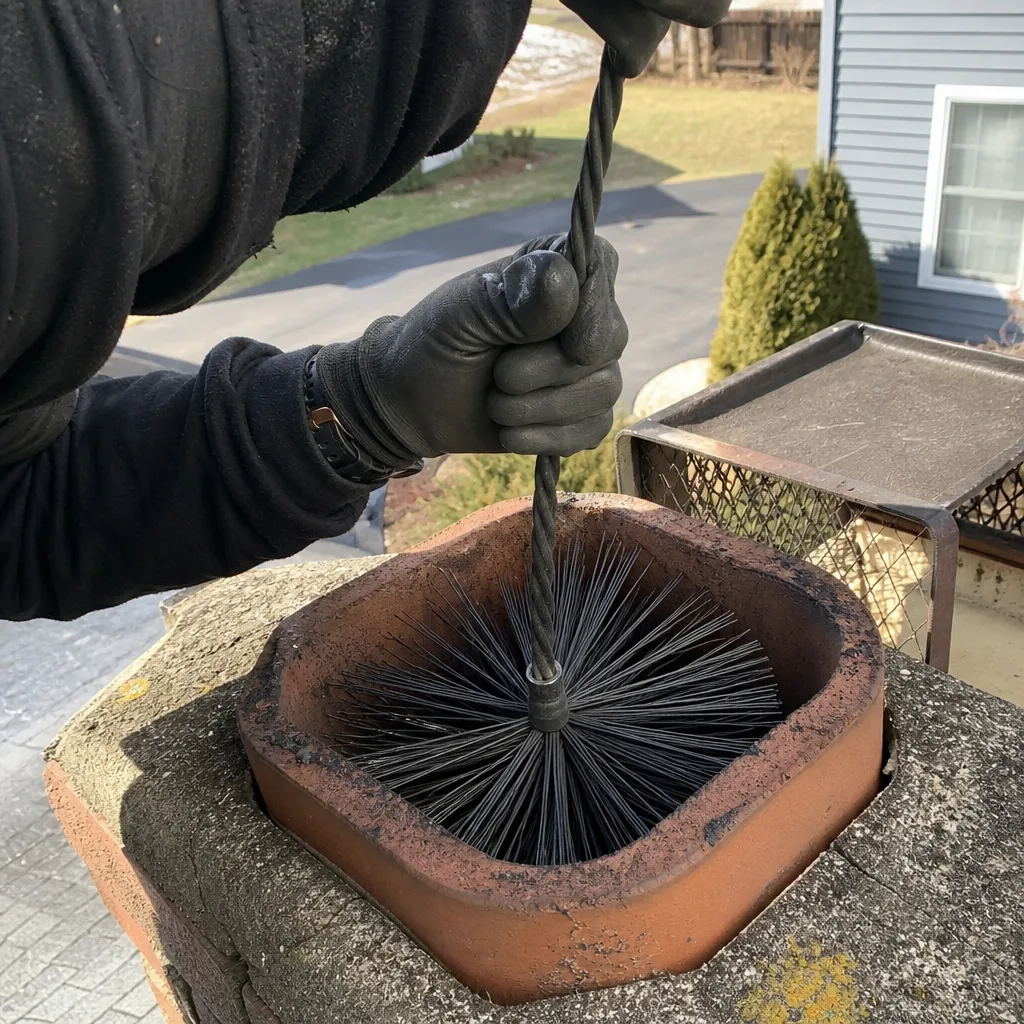
Most homeowners assume an unused chimney is a stable chimney. The opposite is true in Manassas. A flue that sits idle from April through September is absorbing moisture the entire time, and that moisture is doing structural work.
Clay flue tiles, still the most common liner material in Manassas homes built before 2000, are fired ceramic. They’re durable, but they’re porous at a microscopic level. When humidity sits above 60% for weeks, which is normal in Prince William County summers, the tiles slowly take on water vapor. The surface of the tile expands slightly as it absorbs moisture and contracts as it dries. Over a single season, the movement is tiny. Over ten or fifteen seasons, it’s enough to start spalling, meaning thin shards of the tile face begin separating and falling into the flue.
The mortar joints between clay tiles take it worse. Mortar is more porous than the tile itself, and summer humidity softens the joint enough that the next winter’s freeze-thaw cycle can crumble it. By October, a camera scan often shows missing mortar, offset tiles, and in some cases a liner that’s shifted enough to expose the brick behind it. That’s a condition the homeowner attributes to “an old chimney,” but it’s really a moisture problem with a long fuse.
This is why Clause 4 of the Haven Standard requires a photo record on every job. You can’t see any of this from the firebox. Without a camera down the flue, the first sign of summer moisture damage is usually smoke entering the house, and by then the repair is no longer optional.
Month-by-Month Maintenance Decision Guide for Prince William County
Here’s a practical schedule tied to actual Manassas weather patterns, not generic advice. Use it as a decision guide, not a rigid calendar. If you miss a month, move to the next step.
- January – February: Burn season is active. Watch for smoke backing into the room, a fireplace that’s harder to start than usual, or flaking masonry on the exterior after a freeze-thaw cycle. Note anything unusual in a log or on your phone. If you see Level Two Chimney Manassas home conditions like white staining on the exterior brick, that’s efflorescence, a sign of water moving through the masonry.
- March: As the last fires wind down, schedule a spring inspection if you noticed anything over the winter. A camera scan in March documents the flue’s condition after a full burn season, which establishes a baseline for the year.
- April – May: This is the window for the spring sweep most homeowners skip. Creosote from the winter’s fires sits in the flue, and spring humidity makes it more corrosive. A sweep now removes it before the summer heat bakes it into a harder, more difficult-to-remove glaze.
- June – July: The highest humidity stretch. Check the chimney cap, crown, and flashing visually from the ground. Look for cracked or missing mortar, rust on the cap, or vegetation growing in the brick. These are the entry points for the moisture that will damage the liner all summer.
- August: Schedule your Level 2 camera-scan inspection and cleaning now, before the October rush. This is the single highest-value appointment on the Manassas maintenance calendar. It gives you a documented photo record of liner condition before burn season, and if the scan finds damage, you have six to eight weeks to repair it without pressure.
- September: Complete any repairs flagged in August. Liner fixes, crown resealing, and mortar repointing are all faster and cheaper when done before the cold sets in.
- October: First fires. Burn only seasoned hardwood with moisture content below 20%. Green or wet wood produces more creosote per fire than any other factor a homeowner controls.
- November – December: Mid-season check. If you burned heavily through October, shine a flashlight up the flue (from the firebox, with the damper open) and look for shiny black buildup. Shiny, tar-like creosote is Class III, and it’s a fire hazard that needs professional removal before the next fire.
The Spring Sweep Most Homeowners Skip, and What It Finds
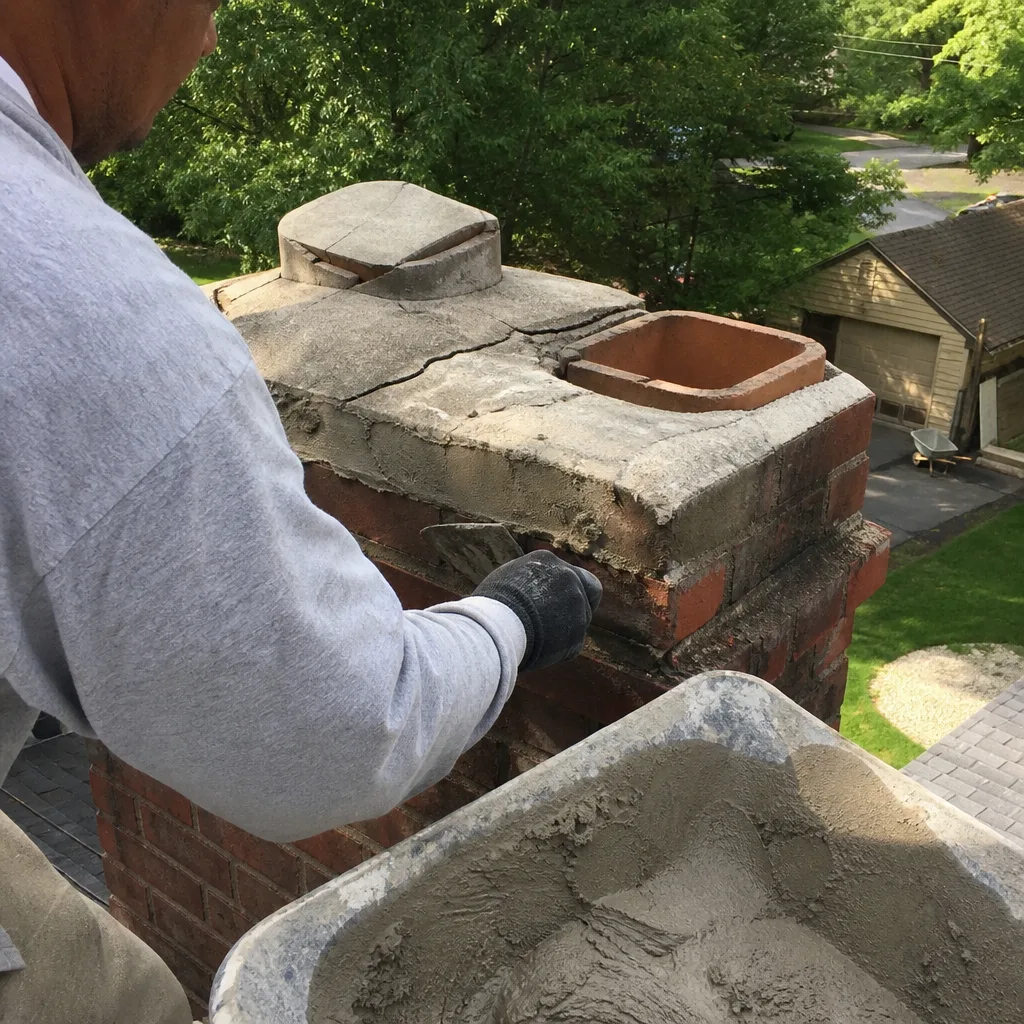
A spring sweep in Manassas is the appointment almost nobody books, and it’s the one that saves the most money over a chimney’s life. Here’s why the timing matters.
Creosote is acidic. When it sits in a flue through a humid Northern Virginia spring and summer, it absorbs moisture and becomes more corrosive to the liner and mortar it’s touching. The longer creosote stays in the flue, the more damage it does, even without a single fire. A spring sweep removes the full season’s creosote before the humidity peaks, which means the liner spends the summer dry instead of soaking in acidic residue.
More importantly, a spring camera scan finds the damage the winter season did while it’s still early. A hairline crack in a clay tile, documented in April, is a $200 to $400 repair in many cases. The same crack, left through a humid summer and hit with thermal shock in October, becomes a liner replacement. That’s not scare pricing; that’s the actual cost curve we see across Chimney Repair in Manassas work orders.
What the spring visit finds that the fall visit cannot reverse includes: mortar joints that have started to soften but haven’t crumbled, early-stage spalling that a heat-resistant sealant can address, and minor crown cracks that a sealant can close before water penetrates deeper. Once a tile has fully spalled or a joint has crumbled, the fix is structural. The spring visit catches these things one step earlier, and in masonry, one step earlier is the difference between a service call and a rebuild.
Why a Late-Summer Level 2 Scan Beats a Fall Appointment Every Time
Every October, Manassas sweeps are running three to five weeks behind. That’s not an exaggeration, it’s the seasonal reality of a market where thousands of homeowners all schedule their cleaning in the same six-week window. The late-summer scan sidesteps the backlog and gives you something more valuable than speed: lead time.
Here’s the scenario we see every year. A homeowner calls in October for a cleaning. The camera scan, which under Clause 4 of the Haven Standard is included on every visit, shows a cracked liner or a deteriorated crown. The homeowner now faces a choice: burn with a compromised flue, which is a fire and carbon monoxide risk, or wait three weeks for a repair slot while the weather turns cold. Neither is good.
The same homeowner with an August scan faces neither problem. If the scan is clean, they have documentation proving the flue was sound before burn season. If the scan finds an issue, they have six to eight weeks to get a written quote, compare options, and schedule repairs without pressure. The difference isn’t just convenience, it’s the ability to make a decision before the weather forces one.
Scheduling the Level 2 scan in late summer also aligns with how Manassas weather actually behaves. August is hot, but the humidity starts tapering by the end of the month, and the flue is at its driest after the summer peak. That’s the cleanest, most stable condition for a camera inspection to produce accurate images.
Manassas Burn Season: Creosote Classes and What They Mean for Your Fireplace
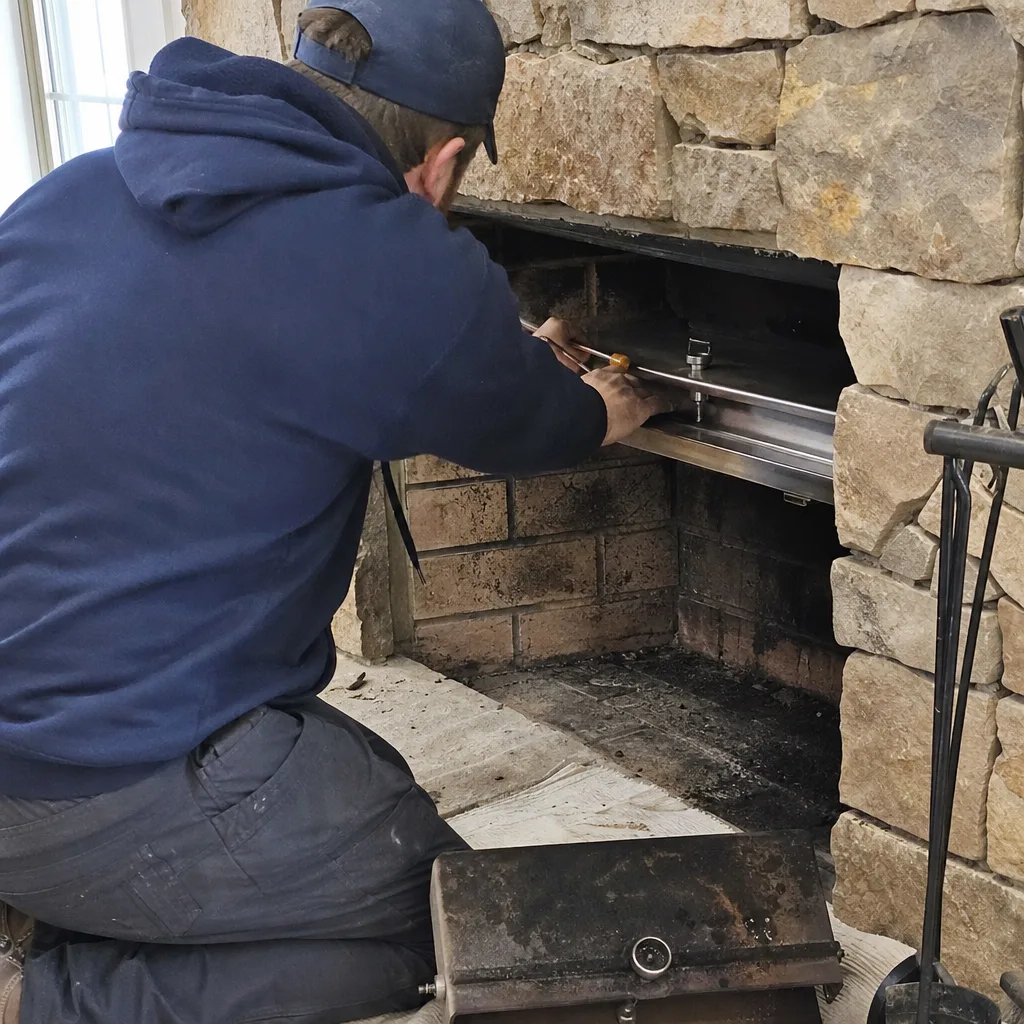
Creosote forms in three stages, and the difference between them determines whether a cleaning is routine or urgent. In Manassas, where burn season runs roughly late October through February, most homes that burn regularly will produce Class I or Class II creosote by mid-season.
Class I creosote is a light, sooty dust that brushes off easily. It forms from hot, efficient fires with dry seasoned wood. A professional sweep removes it in a single visit.
Class II creosote is a flaky, granular buildup that looks like dark cornflakes. It forms from cooler fires, which are common in Manassas fireplaces that get used on mild fall evenings when the fire is small and the damper is barely open. Class II creosote requires mechanical brushing and may take longer to remove fully.
Class III creosote is a shiny, tar-like glaze that forms when creosote is repeatedly heated and cooled without being removed. It’s the most dangerous form, and it’s the one our technicians see most often in flues that went two or more seasons without a sweep. Class III creosote burns at a lower ignition temperature than the other classes and is the primary fuel for chimney fires. Removal typically requires rotary chain tools or chemical treatment, and sometimes a combination of both.
The wood you burn is the biggest variable you control. Seasoned oak, hickory, or maple split to six inches or less and dried for at least twelve months under cover produces dramatically less creosote than the green or soft wood many Manassas homeowners buy from roadside sellers. If you’re burning wood you bought the same month, you’re producing more creosote per fire than you would with properly seasoned wood, regardless of how hot the fire looks.
Moisture Intrusion Points Specific to Manassas Homes
Moisture is the root cause of most chimney deterioration in Manassas, and it enters through specific, identifiable points. A Level 2 camera scan documents the interior of the flue, but the exterior moisture entry points are visible during a standard inspection, and homeowners can spot many of them from the ground.
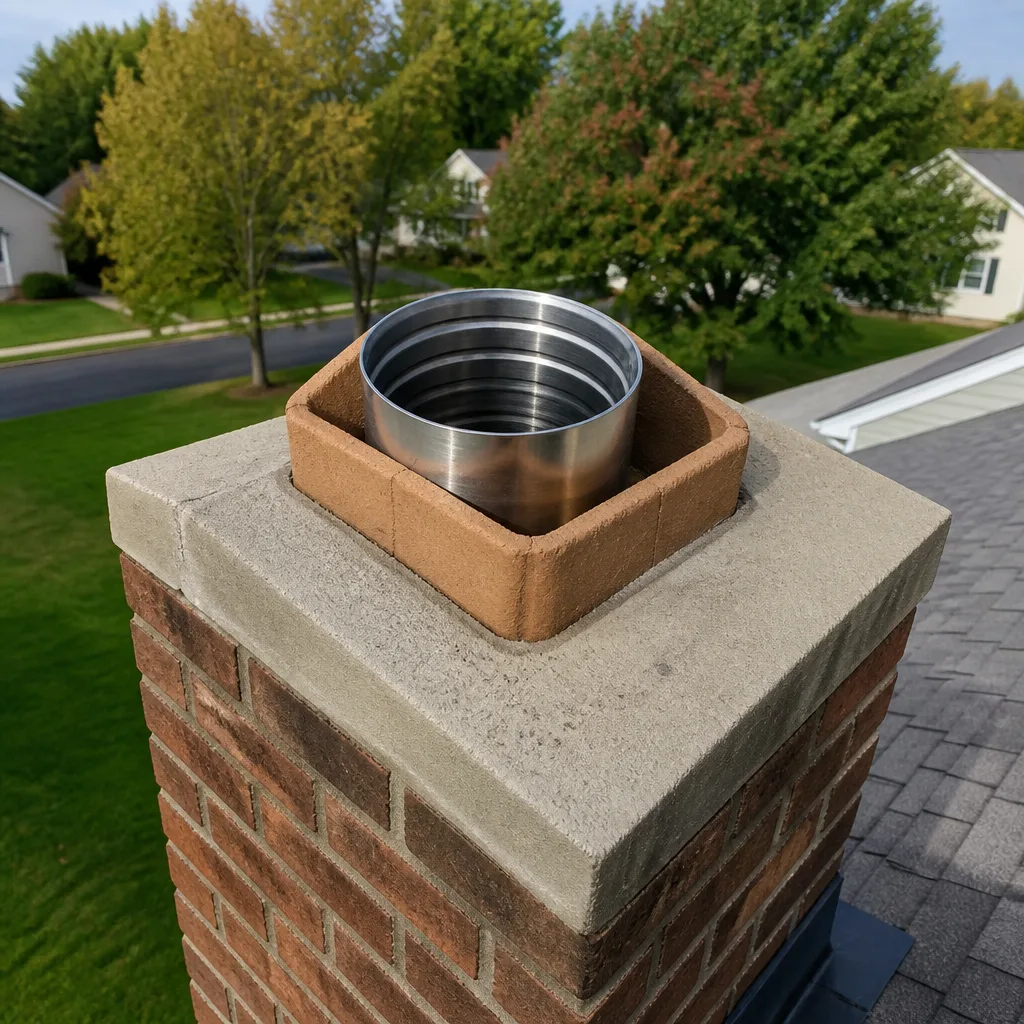
The crown, the concrete or mortar slab that caps the chimney, is the most common entry point in Prince William County. Hairline cracks in the crown let rainwater and snow melt run directly down between the flue liner and the chimney structure. That water freezes and expands in winter, widening the crack and starting the spalling cycle on the tiles below.
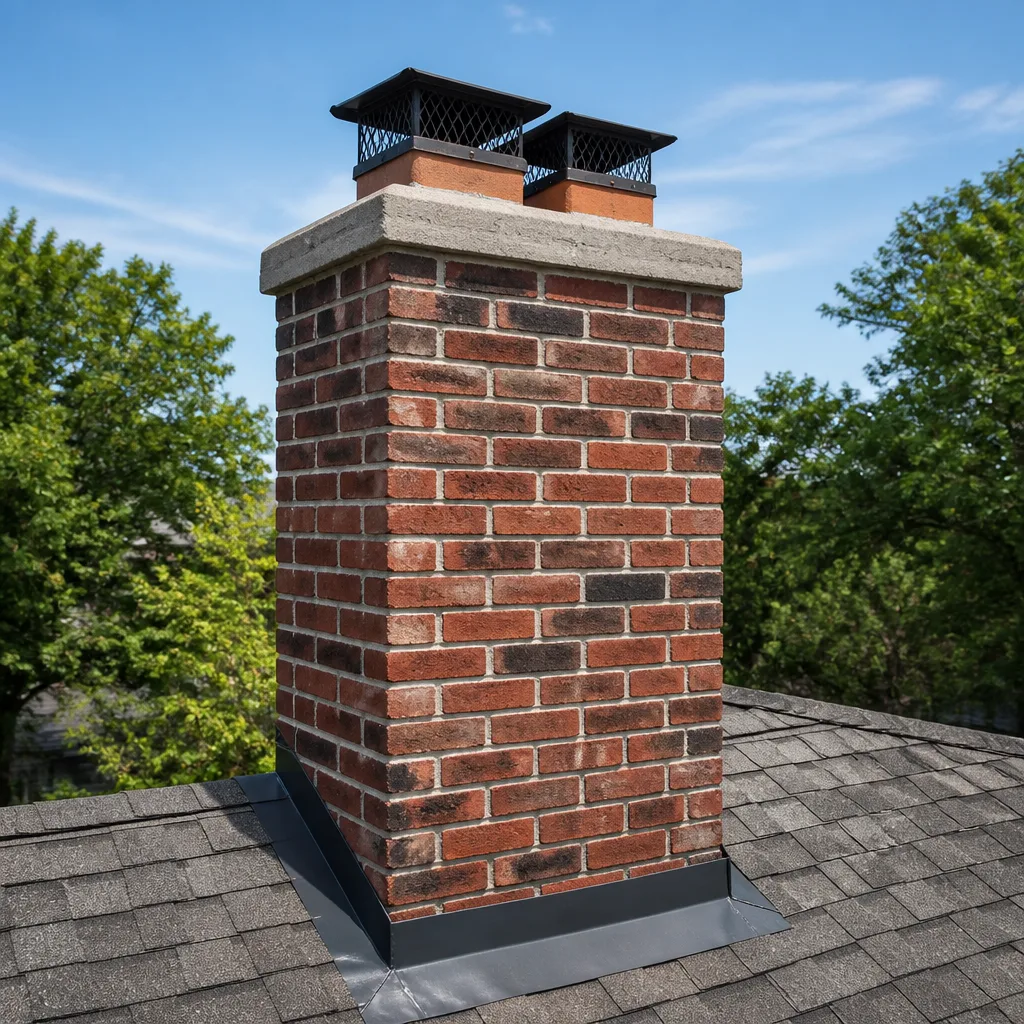
The flashing, the metal seal where the chimney meets the roofline, is the second most common point. Manassas homes built in the 1980s and 1990s often have aluminum or galvanized flashing that corrodes after 20 to 30 years of exposure to our humidity and rain. A broken flashing seal lets water run down the chimney chase and into the attic, where it shows up as stained drywall or peeling paint around the fireplace.
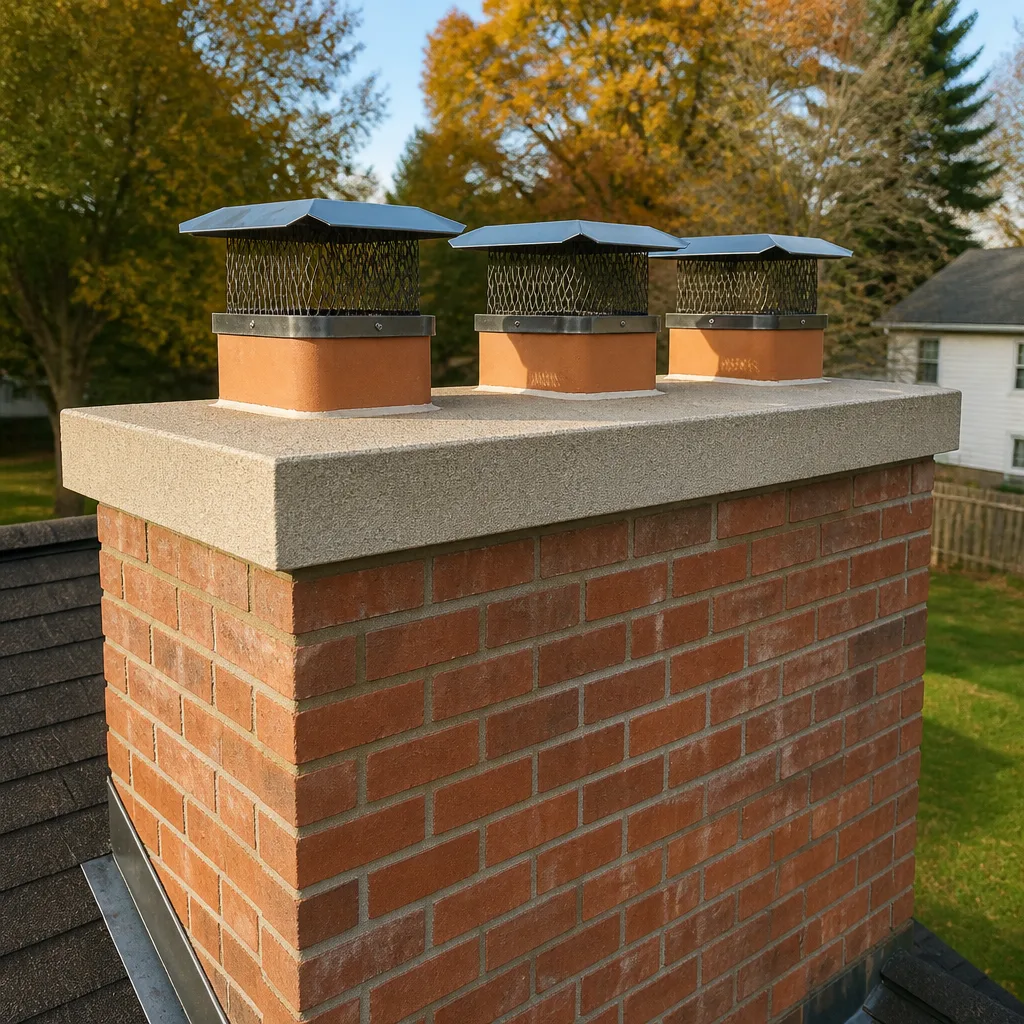
The chimney cap is the third point, and it’s the cheapest to fix. A missing or damaged cap lets rain fall directly into the flue, where it lands on the smoke shelf and evaporates slowly through the summer, keeping the flue humid for months. A properly fitted stainless cap, sourced from manufacturers like Olympia Chimney or Famco, costs a fraction of what a liner replacement runs and eliminates the most direct path for water entry.
For homes with Fireplace Services in Manassas that include gas logs or inserts, the moisture equation changes slightly. Ventless gas logs produce water vapor as a combustion byproduct, and that vapor condenses inside a flue that stays cooler than a wood-burning flue. Gas flues need the same exterior moisture protection as wood flues, plus regular inspection of the condensation pattern inside.
What Documentation You Should Walk Away With After Any Chimney Visit
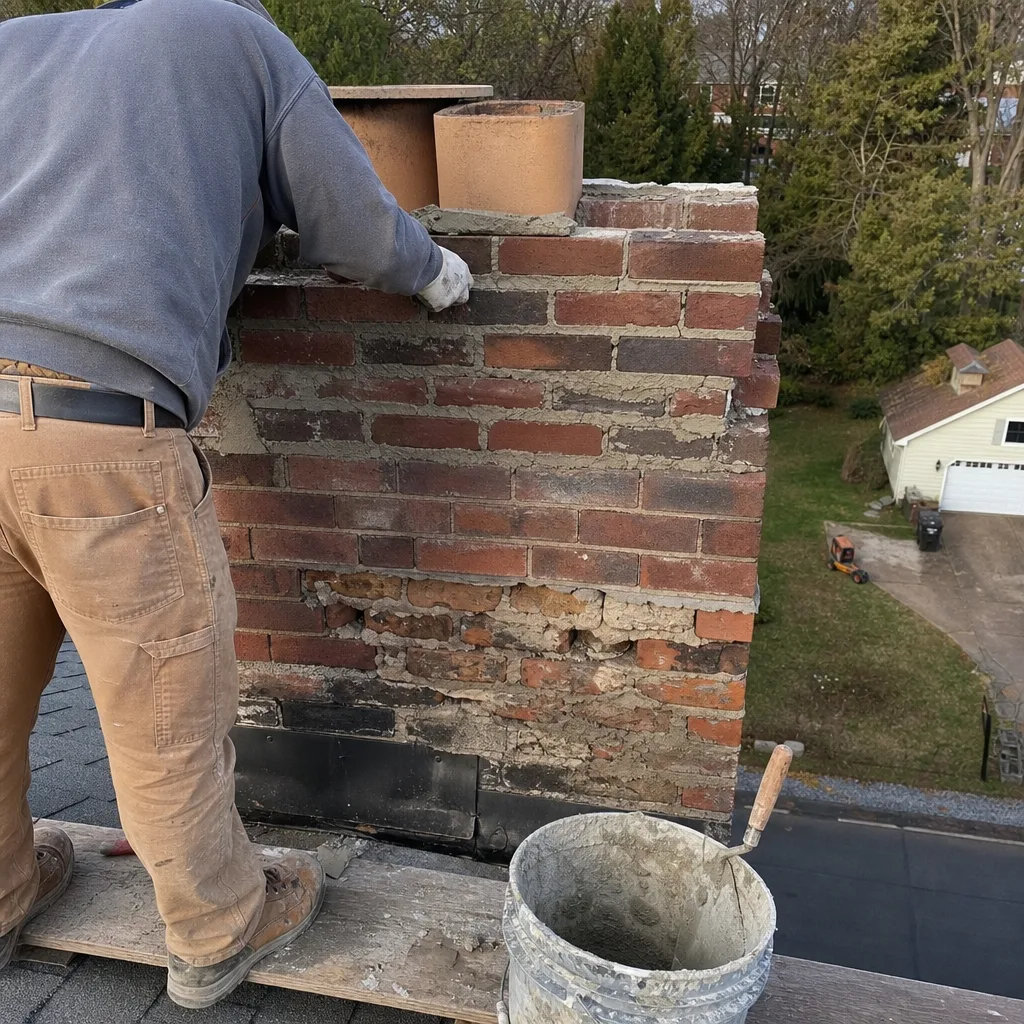
This section matters more than most homeowners realize. The difference between a good chimney service and a bad one is almost never visible during the visit. It’s visible in what you can prove afterward.
After any professional chimney visit in Manassas, you should have, in writing or in files you can access:
- A written scope of work, not a verbal description. The scope should name the specific services performed, the areas inspected, and the tools used.
- A written price, delivered before any work starts. This is Haven Standard Clause 1, and it’s non-negotiable. If a company can’t write the price down before they start, the price will change before they finish.
- A photo record of the flue interior. This is Clause 4 of the Haven Standard and the single most important document you can have. Camera images show the liner condition, creosote class, and any damage found, and they create a baseline for future visits.
- A written warranty on any repair work, with the coverage period and the specific parts or labor covered.
- Contact information for the technician, including a name and a license number you can verify.
If a company offers you a flashlight look and a verbal “it’s fine,” you have no record and no recourse. The documentation is the inspection. Everything else is conversation.
Common Mistakes to Avoid
- Using the fireplace before the first inspection of the season. If summer moisture opened a liner crack, the first fire hits it with thermal shock and widens it. Scan first, burn second.
- Scheduling in October and expecting a fast appointment. Manassas sweeps are overwhelmed every fall. Book in August, and you’ll have your choice of dates and the full burn season ahead of you.
- Buying green wood from a roadside stand and burning it the same month. Wet wood produces two to three times more creosote per fire, and no amount of hot burning compensates for moisture content above 20%.
- Ignoring the spring sweep because “the chimney’s not being used.” The flue is still absorbing moisture and the leftover creosote is still corroding the liner, even with zero fires.
- Patching a crown crack with silicone caulk from a hardware store. Caulk fails in one freeze-thaw cycle. A proper crown repair uses a flexible sealant designed for masonry expansion, and it starts with cleaning the crown surface first.
- Never having the liner camera-scanned because “the chimney looks fine from outside.” Spalling, joint failure, and Class III creosote are all invisible from the exterior. The exterior appearance of the chimney tells you almost nothing about the flue’s condition.
- Replacing a liner on the word of a company that never showed you the camera footage. If a liner replacement is recommended, you should be able to see the damage in the photos. If the company can’t produce images, get a Free Second Opinion on the written estimate before signing anything.
When to Call a Professional
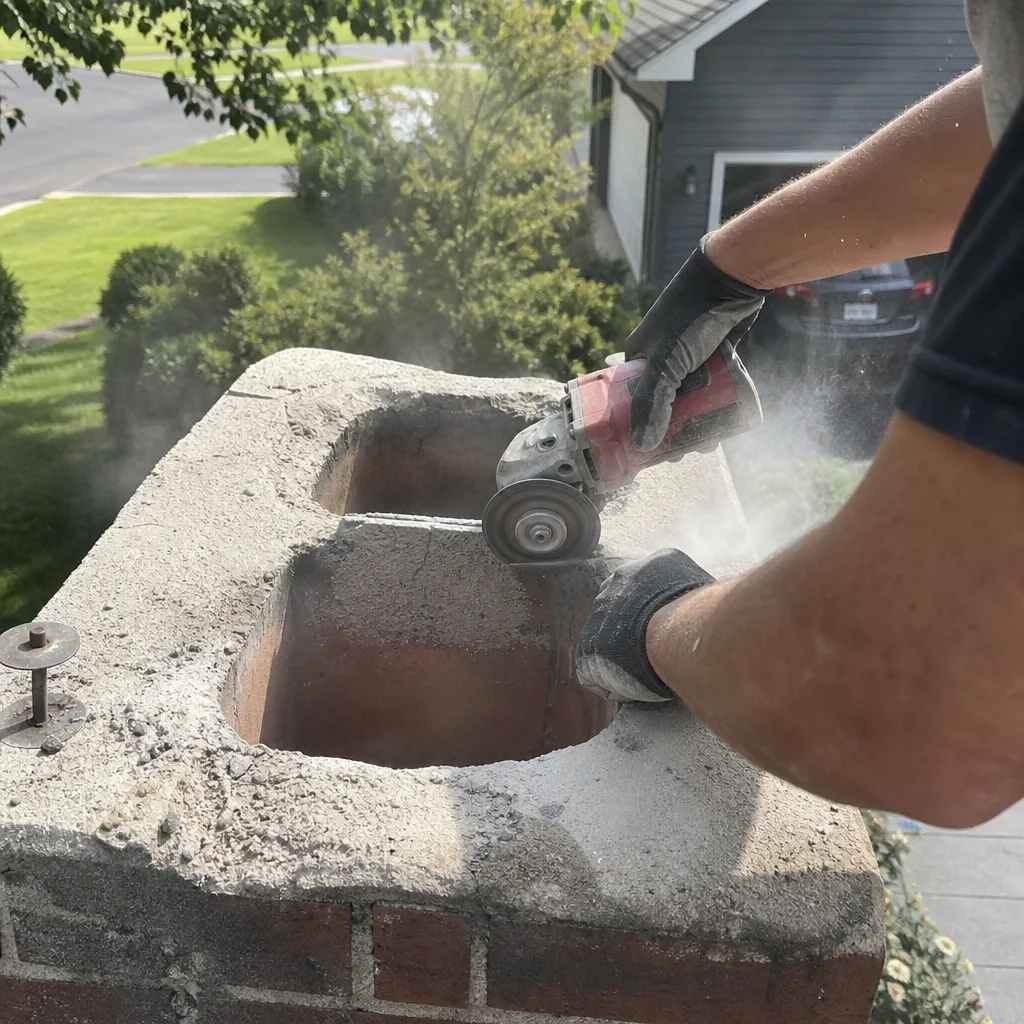
Call a chimney professional in Manassas when you see smoke backing into the room during a fire, smell smoke in the house when the fireplace hasn’t been used in days, notice flaking brick or white staining on the exterior, or haven’t had a Level 2 camera scan in more than five years. For more guides & resources on keeping your chimney safe, see our blog. Any of these signals means the next fire could be the one that exposes a structural problem, and the cost of an inspection is a fraction of the cost of a repair done under emergency conditions. Level Two Chimney Manassas offers free estimates in Manassas, call (571) 946-2300 to schedule.
Frequently Asked Questions
A professional chimney cleaning in Manassas typically costs between $189 and $349, depending on the flue’s condition, the creosote class, and whether the home has one flue or two. The price includes a Level 2 camera-scan inspection when you work with a Haven Standard company, and you should receive a written price before any work starts. Call (571) 946-2300 for an exact quote on your chimney, estimates are free.
You can answer that question yourself if the company shows you camera footage of the liner. A cracked tile, missing mortar joint, or spalled surface is visible in the images, and the photos are yours to keep. If a liner replacement is recommended and you don’t see clear damage in the photos, get a Free Second Opinion on the written estimate before you commit to anything.
The National Fire Protection Association says chimneys should be swept when creosote is 1/8 inch thick or more, and for most Manassas homes that burn wood regularly, that’s once per burn season, or roughly every 30 to 50 fires. Homes that burn green wood or burn every day may need sweeping twice per season, while homes with gas logs can often go two years between cleanings if the flue stays dry.
The creosote in your flue keeps accumulating and keeps absorbing moisture, which makes it more corrosive to the liner and more likely to ignite. If it ignites, you get a chimney fire that can crack tiles, warp the damper, and in the worst case spread into the attic. The cost of a cleaning is $189 to $349. The cost of the liner repair after a chimney fire starts around $2,500 and goes up from there. Call (571) 946-2300 if your flue hasn’t been swept in more than two seasons.
Yes, and it’s the best time to do it. A summer sweep removes the previous winter’s creosote before the humid months make it more corrosive, and the flue is dry enough for a camera scan to produce the clearest images. Summer appointments also avoid the fall rush entirely.
No. An unused chimney in Prince William County is still absorbing moisture all summer, and that moisture is deteriorating the liner even with zero fires. The flue should be inspected and swept on the same schedule as a used chimney, and a chimney cap and intact crown are even more important when the flue sits idle, because there’s no airflow to dry it out between rain events.
The Bottom Line
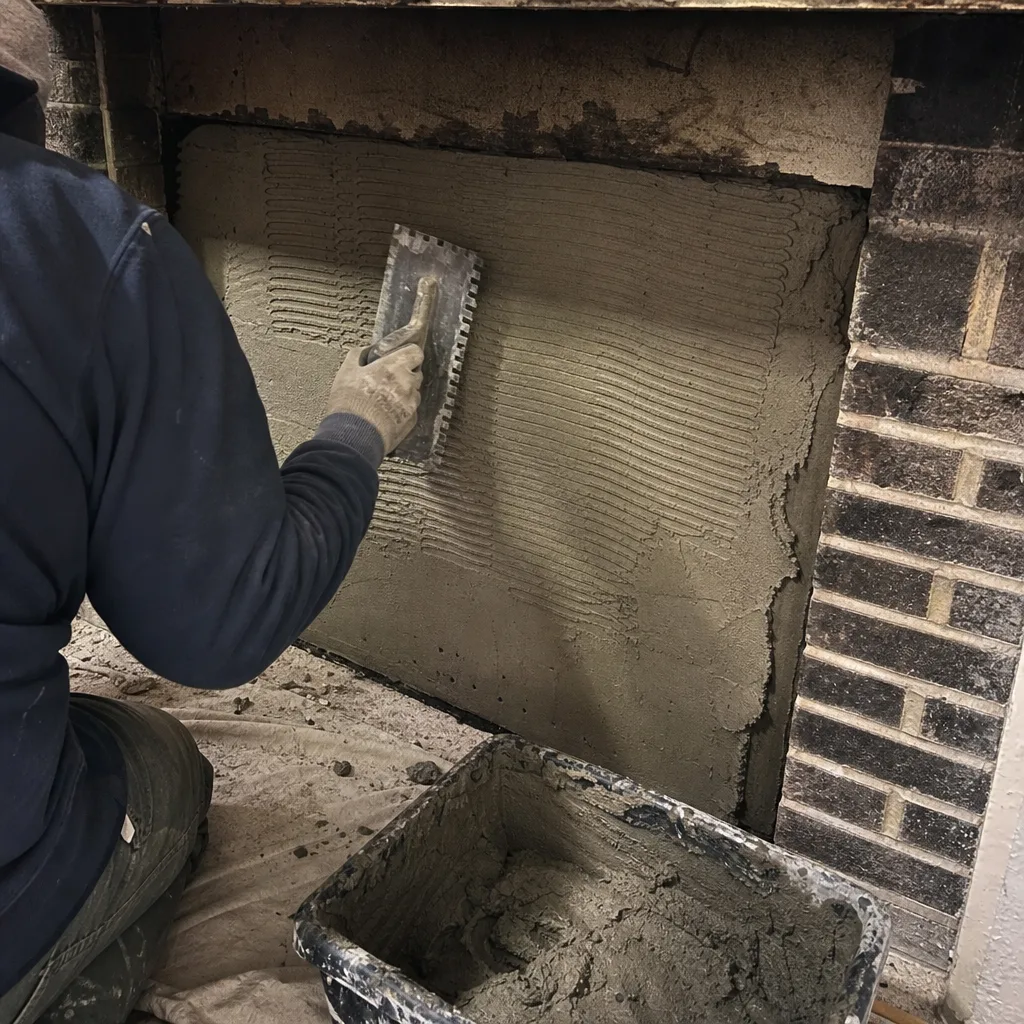
Manassas chimneys don’t fail in October, they fail in July and August, when humidity is doing its slow work inside a flue that looks dormant. The homeowner’s job is to time the inspection to the weather, not the calendar. A late-summer Level 2 camera scan catches spalling, joint softness, and moisture entry before the first fire widens those problems into structural damage. A spring sweep removes acidic creosote before the humid season makes it more corrosive. And every visit should leave you with a written price, a written warranty, and a photo record you can verify. That’s the schedule, and that’s the documentation. The rest is just waiting until October and hoping for the best.
Written by Corrine Halstead, Owner at Level Two Chimney Manassas, serving Manassas since 2009.