
Last updated September 20, 2026
Level 1 sweep and inspection to the NFPA 211 annual standard - flue, crown, cap, and flashing checked and photographed
Chimney sweep logs do not sweep chimneys. They loosen some creosote - which then falls where a brush and vacuum still have to collect it.
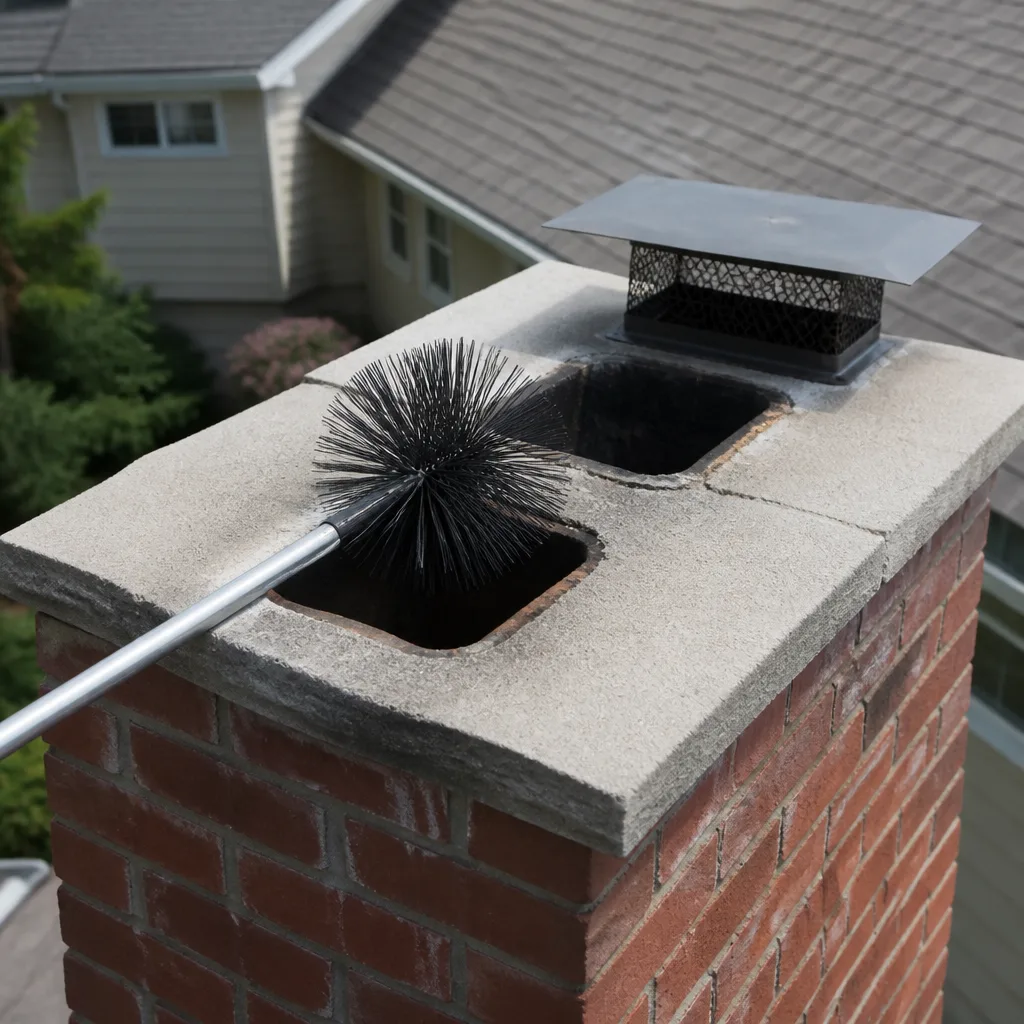
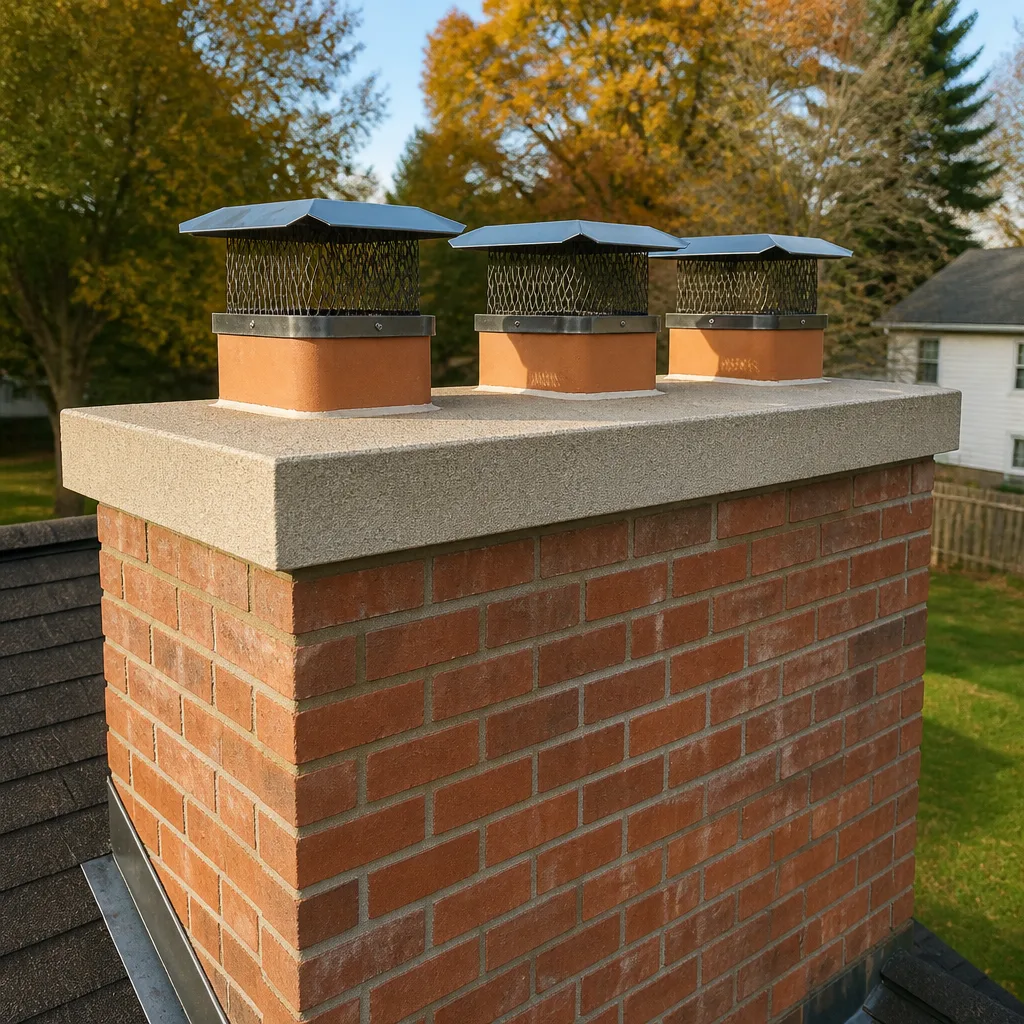
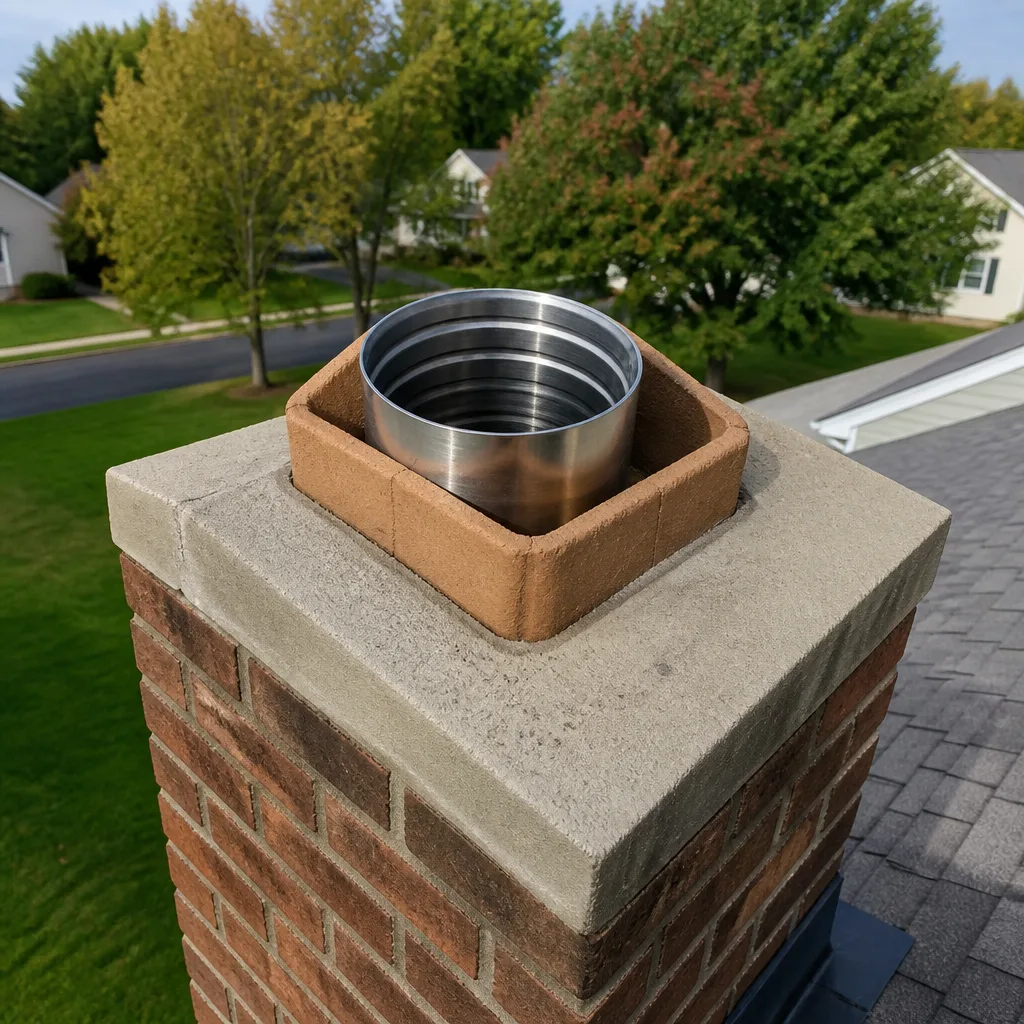
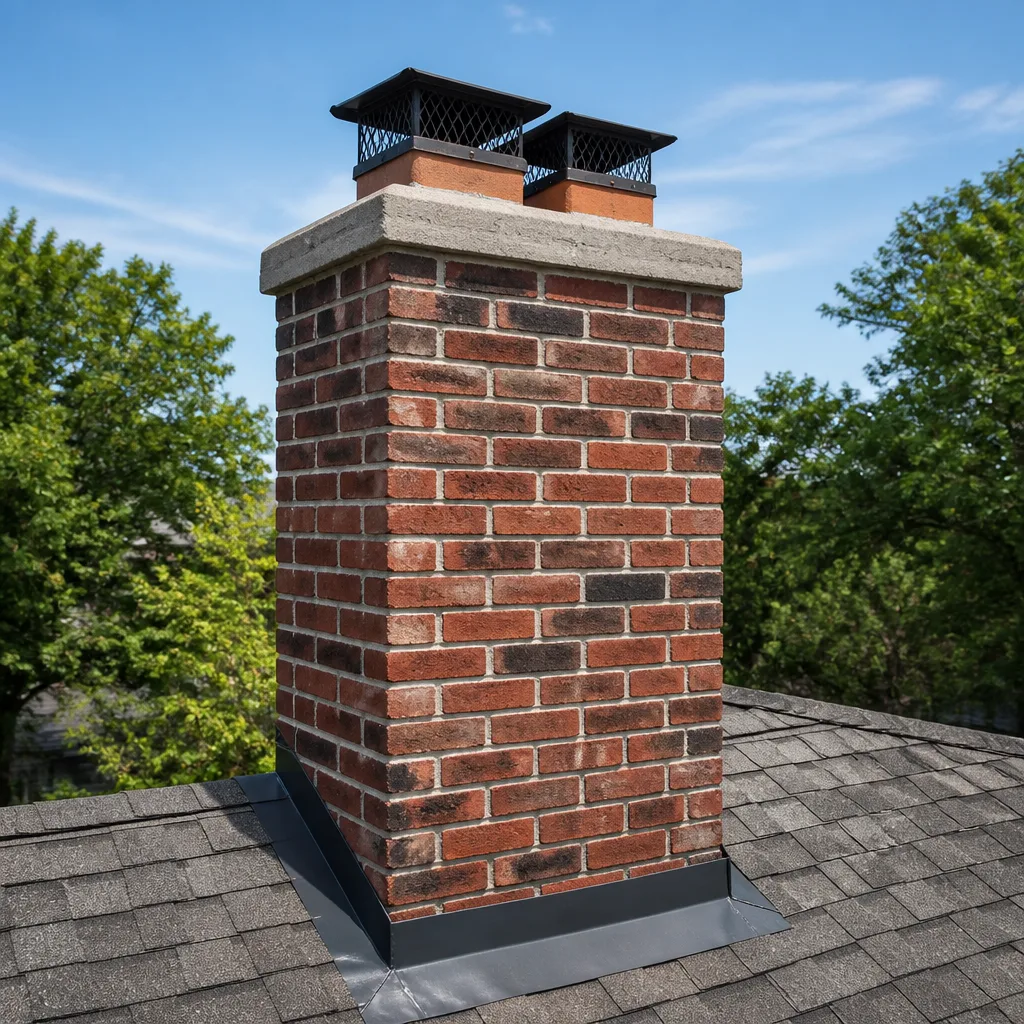
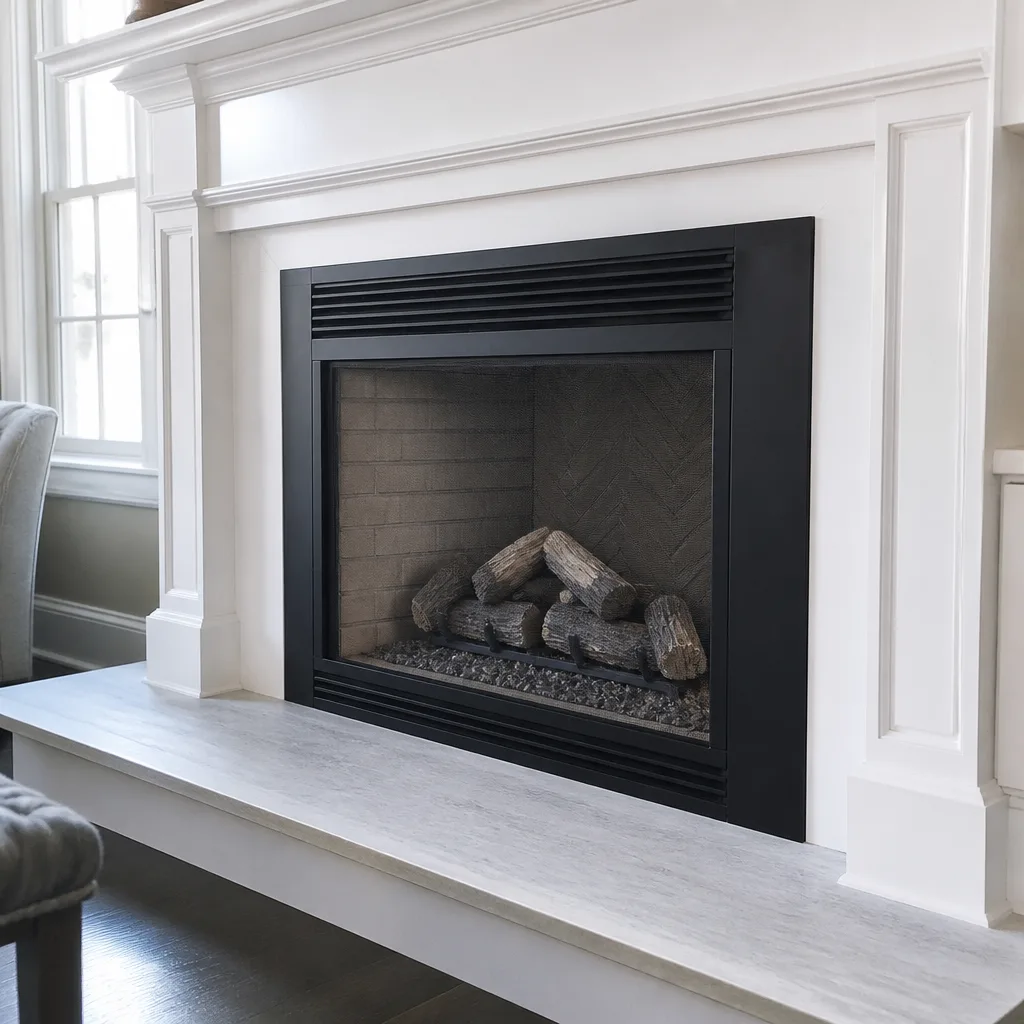
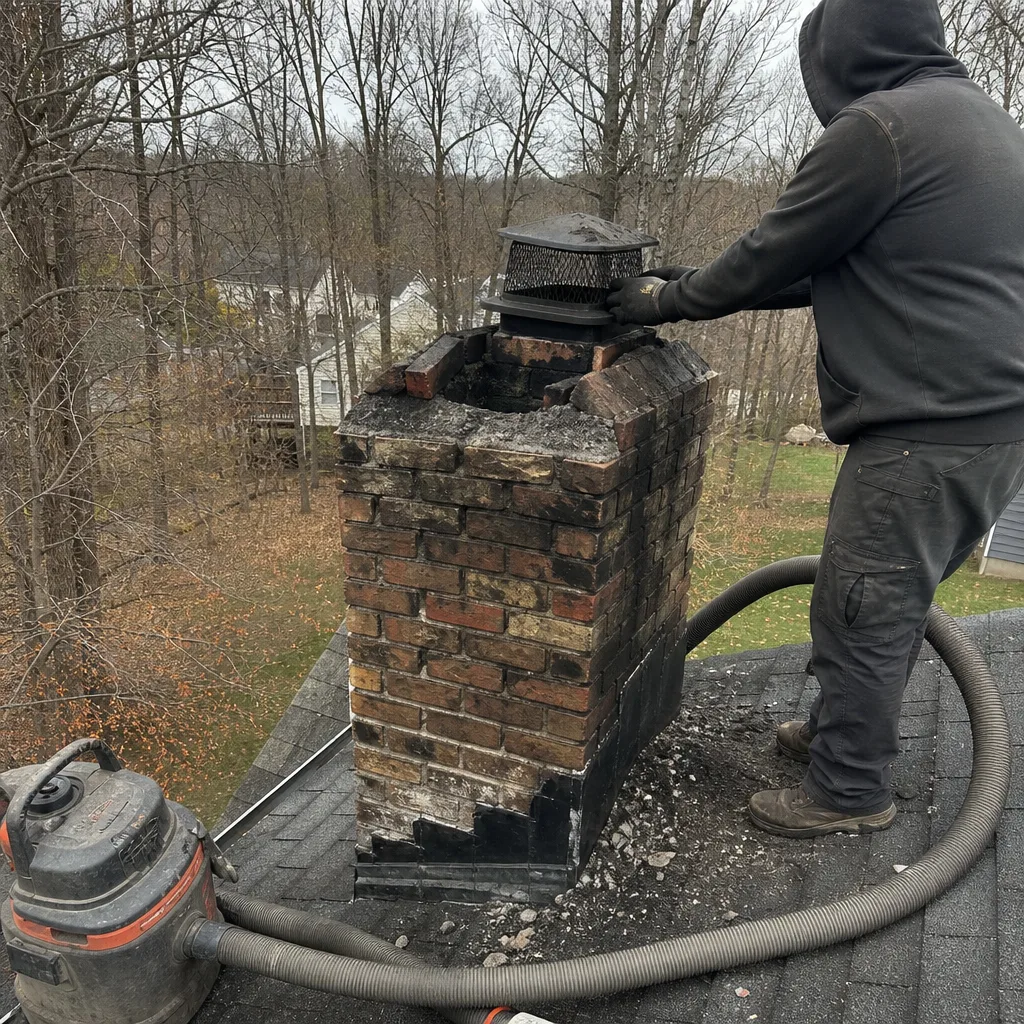 Before
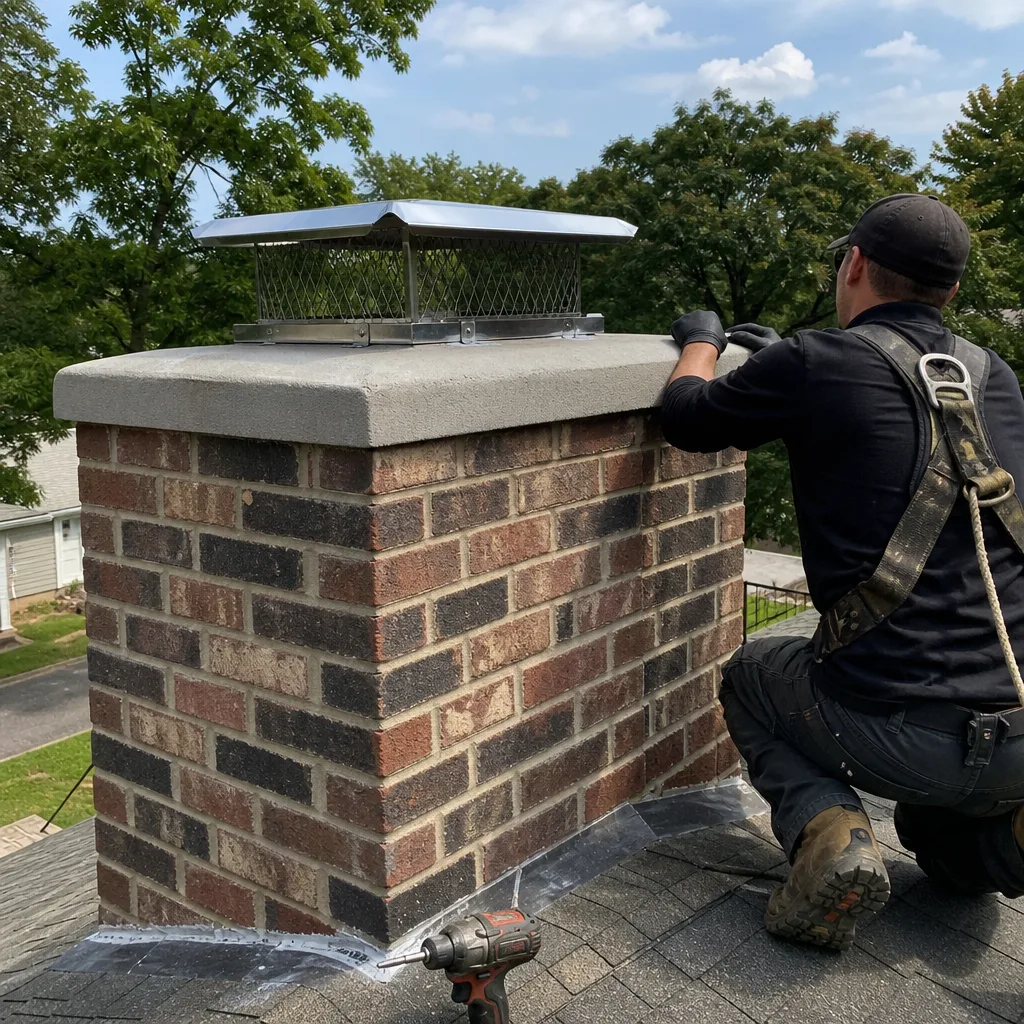 After
After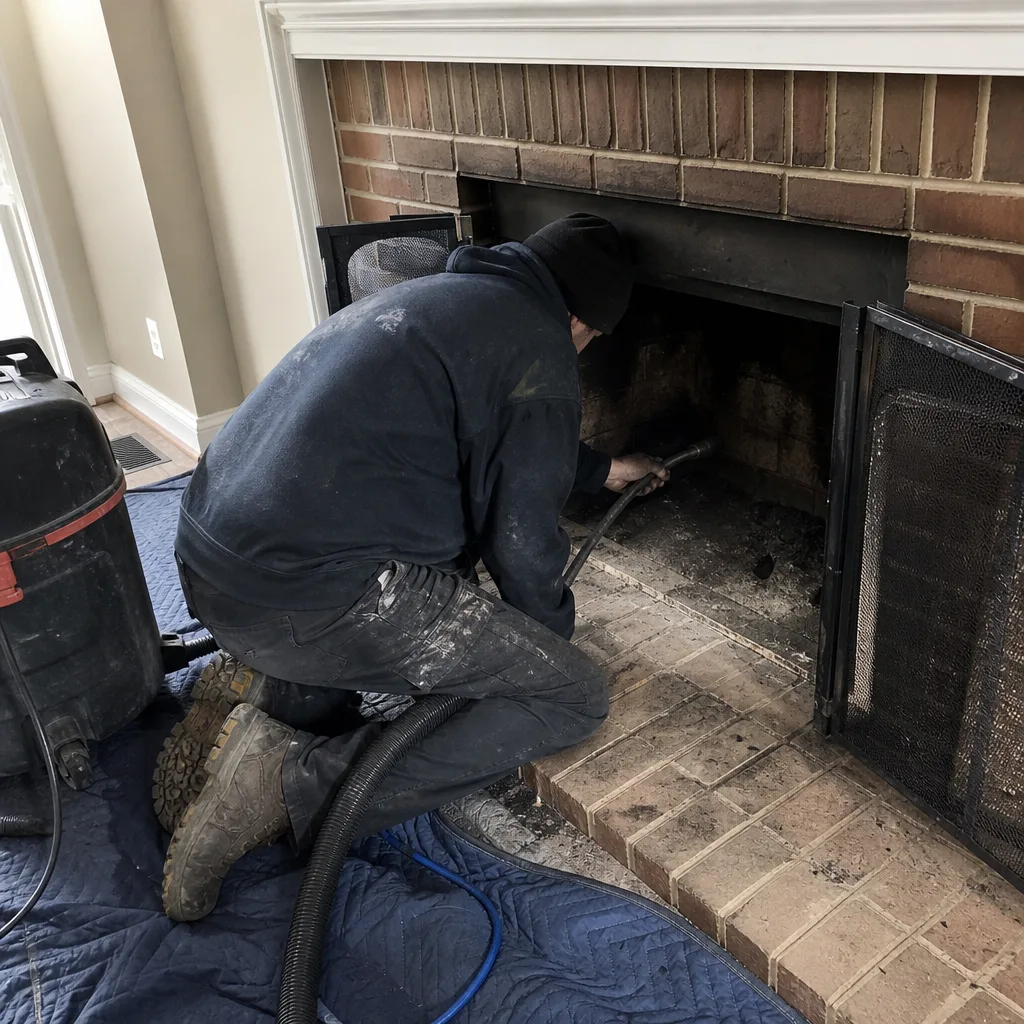 Before
 After
After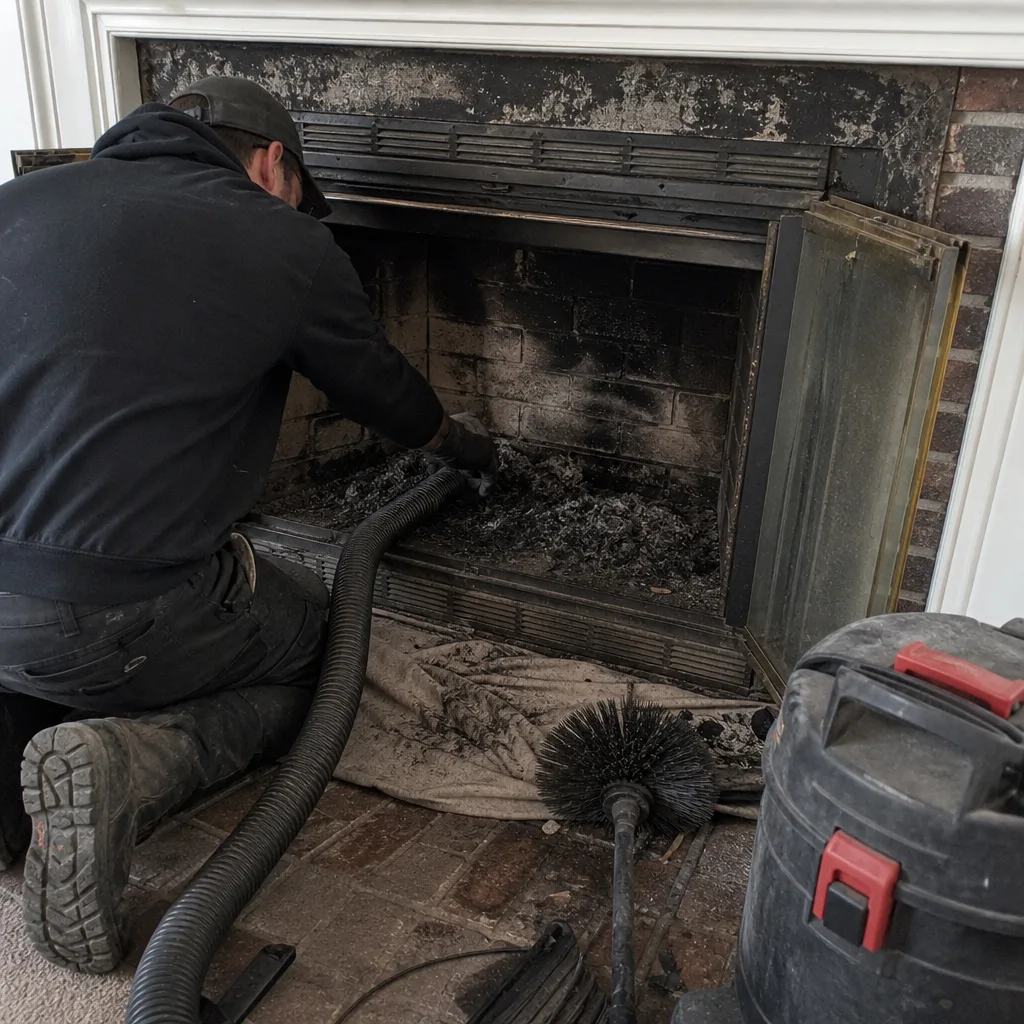 Before
 After
AfterDIY vs Professional Chimney Cleaning: The Manassas Homeowner’s Decision Guide
Here’s a statistic that surprises most Manassas homeowners: the Chimney Safety Institute of America reports that roughly one in four homes in the United States has a chimney that’s not safe to use, and the overwhelming majority of those homeowners have no idea until a camera goes down the flue. You can sweep a chimney until the brush comes back clean and still have a fire hazard hiding behind the creosote. In this guide, we’ll walk you through exactly what a do-it-yourself chimney cleaning can and cannot accomplish, what it actually costs when you add up the real numbers, and the documentation gap that matters more in Manassas than most people realize. For more guides & resources, visit our blog.
Quick Answer
DIY chimney cleaning in Manassas can remove surface creosote from accessible flue sections and makes sense for a limited set of homes with newer stainless liners and consistent burning habits. But a brush kit cannot inspect the liner, cannot document the condition, and cannot satisfy what insurance adjusters and future buyers in Virginia increasingly want to see: a written record from a professional who looked with a camera, not a flashlight. If your home in Manassas was built before 1985, the honest answer is that DIY cleaning addresses the symptom and skips the diagnosis.
Table of Contents
- What a DIY Chimney Cleaning Can Actually Do
- The Hard Boundary: The Flue Liner
- The Liability Gap: What ‘Homeowner Maintained’ Means on a Claim Form
- The Real Cost Comparison: DIY Kit vs. Professional Visit
- When DIY Cleaning Is a Reasonable Phase 1 in Manassas
- When DIY Cleaning Is Not Worth the Risk
- What a Professional Visit Produces That a Brush Kit Never Will
- Common Mistakes to Avoid
- When to Call a Professional
- Frequently Asked Questions
- The Bottom Line
BeforeAfterWhat a DIY Chimney Cleaning Can Actually Do
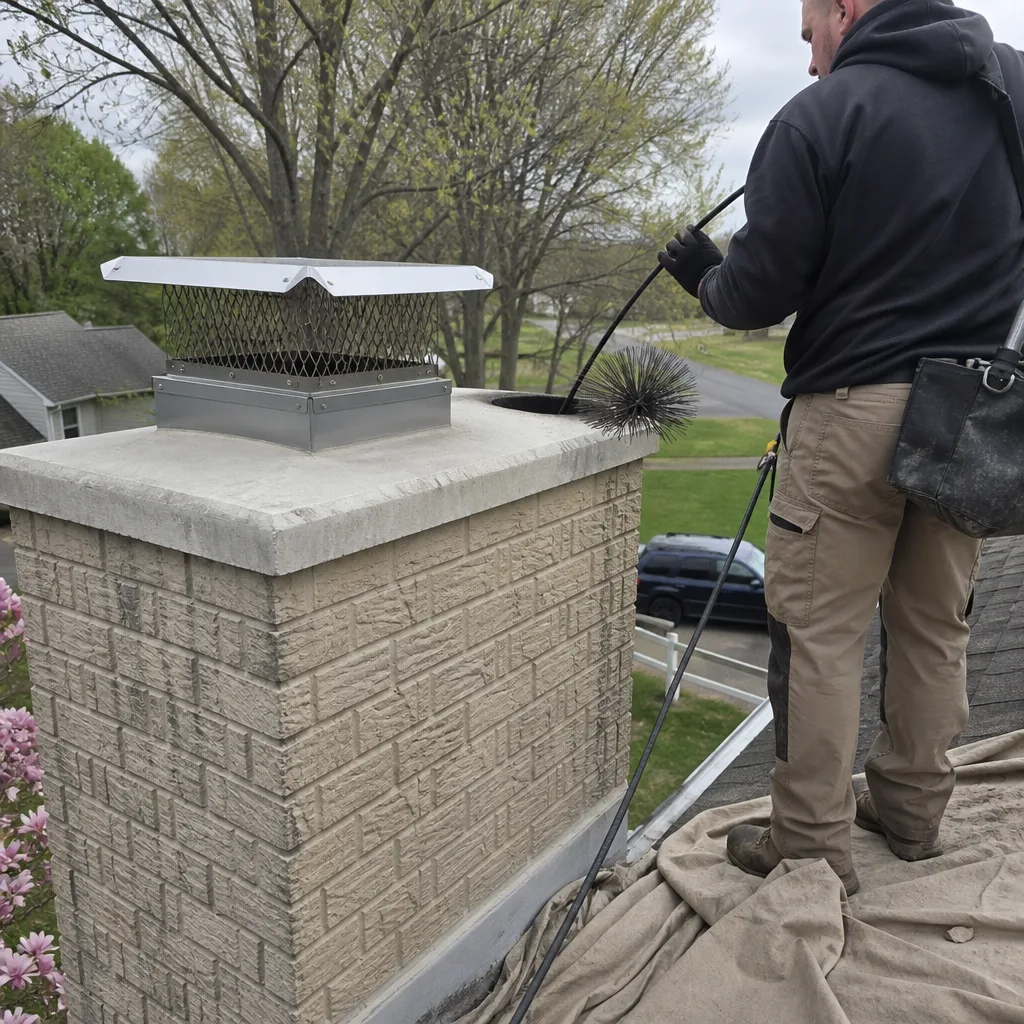
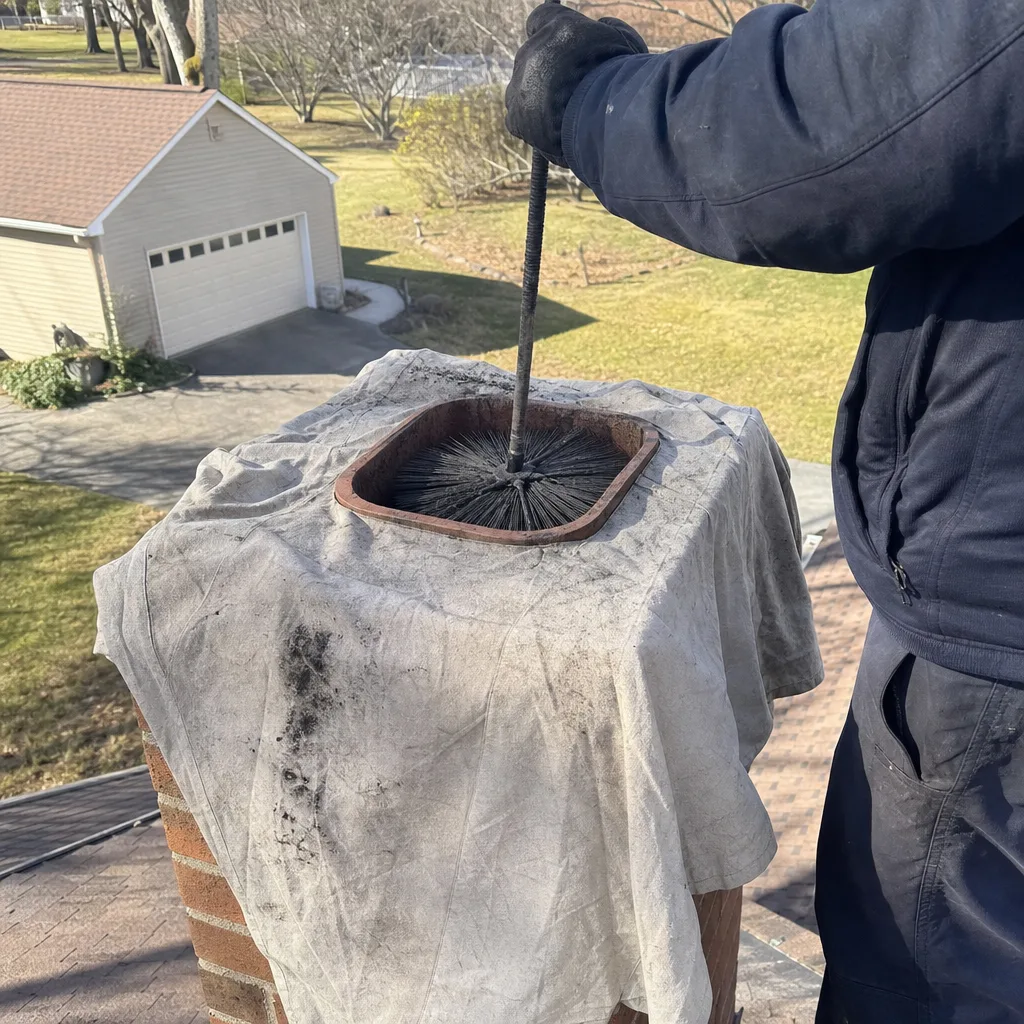
A homeowner with a brush kit, a drop cloth, and a few hours on a Saturday can remove what we call first-stage creosote from the flue walls. That’s the flaky, sooty residue that forms when wood smoke cools and condenses before it exits the chimney. A poly brush on fiberglass rods run up and down the flue a dozen times will knock most of that loose material down into the firebox, where you vacuum it out with a shop vac and a HEPA filter. It’s honest work, and for the right homes in Manassas, it’s a legitimate maintenance step.
Here’s what that brushing physically accomplishes:
- Removes loose, flaky creosote from the accessible sections of the flue walls. Creosote in its early stages is soft and brushes off relatively easily.
- Clears minor obstructions like small bird nests near the top of the flue, if you can reach them from the roof with a basic rod kit.
- Reduces the fuel load available for a chimney fire in the most accessible portion of the flue, which is meaningful for annual maintenance if the liner is sound.
- Gives you a baseline understanding of how your chimney is built and how much creosote your burning habits produce in a single season.
But that’s where the list ends. A brush kit has no eyes. It removes material it touches, and it only touches what the rods can reach with enough pressure to scrape. In a clay-tile flue, that means the brush almost never fully cleans the mortar joints between tiles, which are recessed and porous, exactly where glazed creosote likes to collect. In a corrugated stainless liner, the brush rides over the high points and leaves the valleys coated. And in both cases, what you cannot see is whether the material behind the creosote has a crack, a gap, or a separated joint. The clean flue is not necessarily a safe flue. We’ve inspected chimneys in Manassas where the homeowners had brushed religiously every year for a decade, and the camera showed a clay tile cracked clean through at the smoke chamber level. The brush had never touched that problem. The fire risk hadn’t changed.
The Hard Boundary: The Flue Liner
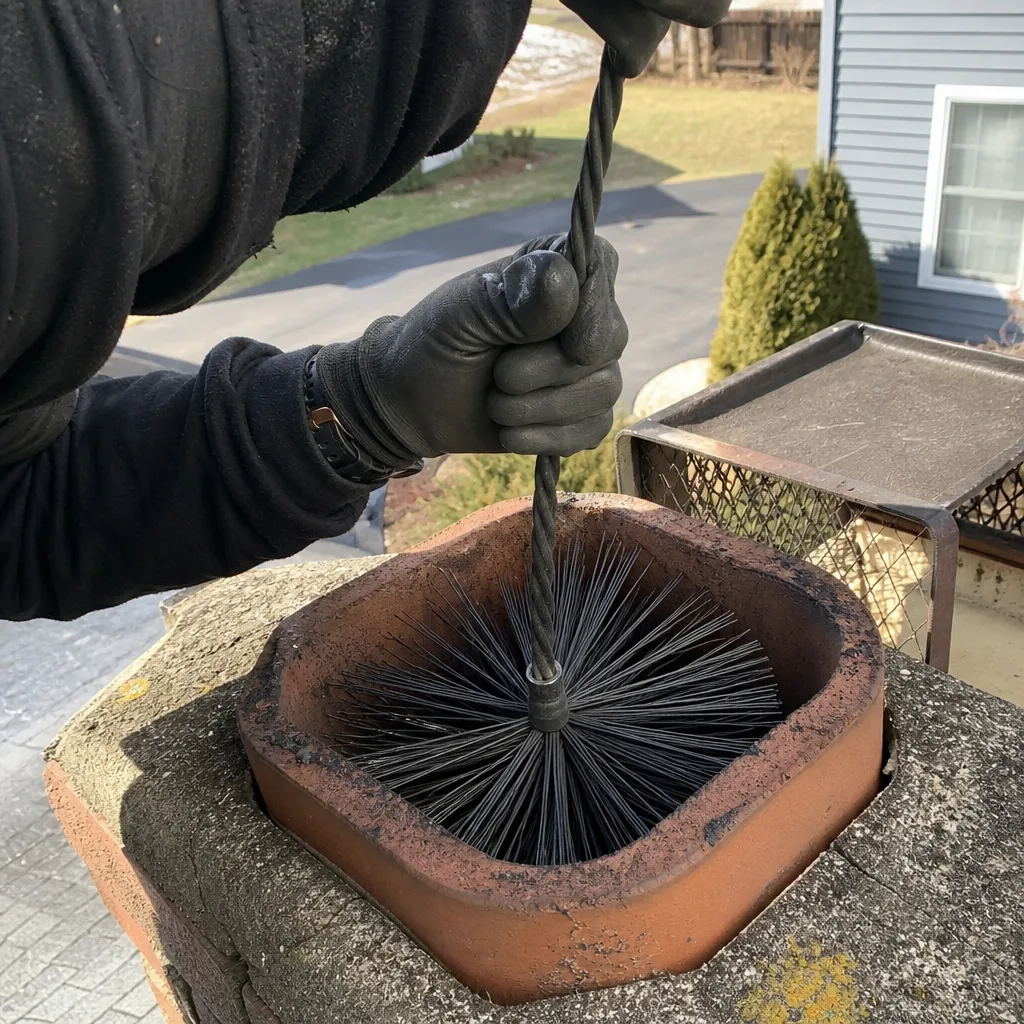
Here’s the line we draw at Level Two Chimney Manassas, and it’s worth drawing for yourself: a DIY chimney cleaning can maintain a flue, but it cannot assess one. The firebox, the damper housing, the smoke chamber, and the full length of the flue liner are all part of the same combustion system, and a brush kit gives you direct visual access to almost none of it.
A professional chimney cleaning and sweep in Manassas includes what NFPA 211 calls a Level 2 inspection: a camera lowered down the full length of the flue on every single visit. That camera sees what your eye cannot from the roof or the firebox. It sees hairline cracks in clay tiles before they become full-thickness gaps that allow heat and embers to reach combustible framing. It sees spalling, which is the flaking and crumbling of clay tile surfaces that indicates the liner is past its functional life. It sees deteriorated mortar joints where individual tiles no longer overlap correctly. It sees the condition of the smoke chamber, a part of the chimney that almost no homeowner ever lays eyes on, and one where we regularly find creosote accumulation that a top-down brush never touches.
The Manassas housing stock matters here. We’re not writing this guide for a generic suburb in Ohio or Texas. Manassas has a specific inventory of homes, and a meaningful percentage of them were built between the 1960s and the mid-1980s, which means they carry original clay tile liners. Clay tile was the standard for that era, and it has a service life. We regularly see tiles in 40-year-old Manassas homes that are cracked, offset, or missing entirely at the upper flue sections. A homeowner brushing that flue sees none of it. The brush comes back dirty, then clean, and the homeowner assumes the job is done. The liner is not done.
So the operative rule is not “DIY is bad.” The operative rule is: DIY achieves surface cleaning, and surface cleaning is not the same as knowing whether the surface is intact. If you’re going to run a brush down your own flue, do it with the understanding that it is a maintenance act, not an inspection, and do it on a home that meets the conditions we outline below. If your home is older, or you don’t know the liner material, or the previous owners didn’t leave you any records, the brush before the camera is putting the cart before the horse.
The Liability Gap: What ‘Homeowner Maintained’ Means on a Claim Form
This is the section most DIY guides skip, and for Manassas homeowners it may be the most consequential. When you file a chimney-related fire claim in Virginia, your insurance adjuster does not ask whether you brushed the chimney. They ask for documentation. A receipt from Amazon for a brush kit is not documentation of a cleaned and inspected chimney. It’s a receipt for a brush.
Here’s the distinction in practical terms:
- “Homeowner maintained” means you did what a reasonable person with no training and no specialized equipment could do. It does not establish that the flue was safe, that the liner was intact, or that the chimney met current code. On a claim form, it is nearly worthless as evidence of due diligence. Some Virginia policies contain exclusions or higher scrutiny for chimney fires when there is no professional inspection record in the prior 12 months. An adjuster can reasonably argue that a homeowner who self-maintained had neither the equipment nor the training to detect a liner defect, and therefore bears the loss.
- “Professionally inspected and documented” means a state-licensed company looked at the flue with a camera, wrote a report, and handed you a record. That record is evidence. It shows the date, the condition observed, and the work performed. It is defensible. It is exactly what an adjuster wants to see, and it is what a future home inspector will ask for when you sell a Manassas home with a fireplace on the disclosure forms.
Virginia’s seller disclosure laws add another layer. When you sell a home in Manassas, you are required to disclose known conditions that could affect the property’s value or safety. If you’ve never had the flue camera-inspected, you don’t know what you don’t know, and that may be technically true but it doesn’t help the buyer who discovers a cracked liner three months after closing. Buyers in the Manassas market increasingly request chimney inspection reports as part of a home sale contingency, and a homeowner who can produce a dated, documented record from Level Two Chimney Manassas home inspections is in a materially stronger position than one who says “we cleaned it ourselves every fall.” That second answer does not close a sale.
None of this is to say that every DIY-cleaned chimney results in a denied claim or a blown sale. It is to say that the difference between the two documentation regimes is real and becomes expensive in specific, predictable moments: a claim, a sale, or an insurance review. That gap is invisible until it isn’t.
The Real Cost Comparison: DIY Kit vs. Professional Visit
Let’s put actual numbers on the table, because the DIY pitch almost always begins with “it costs $50 and an afternoon.” That’s true in the narrowest sense and false in the sense that matters. For a full Chimney Cleaning Cost Breakdown: The Manassas Homeowner’s Reference for 2026, see our dedicated guide. Here’s the breakdown for a typical Manassas homeowner:
| Expense | DIY First Year | Professional First Year |
|---|---|---|
| Brush kit with rods (6″ round, enough for a 25-foot flue) | $60-$110 | - |
| Drop cloths, shop vac filter upgrade, gloves, eye protection | $35-$60 | - |
| Ladder rated for roof access (single-story) | $120-$250 (if not already owned) | - |
| Chimney sweep and Level 2 camera inspection | - | $229-$349 in Manassas |
| Liner assessment and written condition report | Not possible | Included |
| Documented photo record | Not possible | Included under Haven Standard Clause 4 |
The honest read on this table: a first-year DIY setup runs $215 to $420 in equipment, much of which is durable and amortizes over later seasons. A professional visit in Manassas runs $229 to $349 and includes the inspection, the cleaning, the camera record, and the written report. So in year one, the costs are genuinely comparable. The difference is that the professional visit produces an inspection and documentation, while the DIY route produces only cleaning. By year three, the DIY equipment is paid off and the marginal cost is maybe $20 in consumables, versus $250 for a professional visit. That’s where the DIY math looks most attractive, and it’s exactly where the risk accumulates: two or three seasons of brushing with no camera inspection is precisely the window during which a liner defect goes from small to structural.
Now add the scenario that moves the numbers. A cracked clay tile discovered by camera in year one costs $1,800 to $3,500 to repair with a HeatShield resurfacing system, or $4,000 to $7,000 for a full stainless reline with DuraFlex components. That same crack discovered three years later, after the flue has been brushed but never inspected, may have expanded into a separated tile joint with heat transfer to the surrounding masonry. That repair is the same reline, but the adjacent damage is now in play, and the total climbs accordingly. The DIY homeowner didn’t save $700 over three seasons; they deferred a known-unknown problem into a larger one.
Our position at Level Two Chimney Manassas is not that every homeowner needs an annual professional visit, though that’s the safest schedule. It’s this: if you’re going to DIY, pair it with a professional camera inspection at least every second year. The cleaning you can do yourself. The seeing is a different job, and it’s not one a brush kit can do. That’s the cheapest version of the full safety picture that exists.
When DIY Cleaning Is a Reasonable Phase 1 in Manassas
There are Manassas homes where DIY cleaning is a defensible starting point. Here’s the profile that makes it so:
- Your home was built after 1995 and has a stainless steel liner, or the liner was replaced with a stainless system within the last 10 years. Stainless liners are smooth, continuous, and far less likely to develop the kind of hidden defects that plague older clay tile. You should know this from the previous owner’s records, the chimney cap marking, or a prior inspection report. If you don’t know the liner material, assume it’s clay and don’t assume DIY is enough.
- You burn the same fuel in the same appliance every season. A wood-burning fireplace with dry, seasoned hardwood produces a predictable creosote profile. A wood stove on a basement flue burns differently, and a fireplace that sometimes burns manufactured logs with unknown composition changes the creosote chemistry. Consistency is what makes a DIY schedule reliable.
- Your flue is single-story and straight, or nearly so. A typical Manassas rambler or single-level colonial with a straight run from the firebox to the cap is mechanically easier to brush from either the roof or the firebox, depending on your access. A two-story colonial in neighborhoods like Sudley or Westgate has a taller flue, more angled offsets, and more reach problems for consumer-grade rods.
- Burning season is short and moderate. A Manassas homeowner who burns two cords a season from November to February creates less creosote than one who burns five cords from October through April. If your usage is light and your fires are hot, the creosote load at season’s end is genuine first-stage material, and a brush is adequate for it.
- You’re willing and able to get on the roof safely. This is the filter that eliminates many DIY plans in practice. A wet or icy Manassas winter-day roof is no place for a homeowner with an extension ladder and no safety harness. If you cannot stand securely at the chimney cap, you cannot brush from the top, and bottom-up brushing leaves the upper flue untouched.
If you match all five of those conditions, a DIY brush cleaning is a reasonable maintenance act, and we’d rather see you do that than skip cleaning altogether. What we’d add, every time, is a professional camera inspection on a schedule you can defend. That’s the thing that catches the exceptions to your assumptions, and exceptions are what Manassas chimneys do for a living.
When DIY Cleaning Is Not Worth the Risk
Now the other side of the list. These are the Manassas scenarios where a brush kit is not the right tool for the job, and the reasons are specific to local housing stock:
- Your home was built before 1985. This is the single most important line. Manassas has thousands of homes from the 1960s through the mid-1980s with original clay tile liners, and those liners are now 40 to 60 years old. Clay tile is not a lifetime material. It cracks, it spalls, it offsets, and it does so invisibly from the firebox. Every pre-1985 chimney in Manassas that has not been relined or camera-inspected within the last three years should be treated as unknown, and unknown means camera-first, brush-second.
- You bought the home within the last two years and have no chimney records from the seller. A new-to-you chimney is a black box. The previous owners may have burned green wood, used the fireplace as an ashtray for decades, or never cleaned it once. You have no baseline. A DIY cleaning on an unexamined chimney is a maintenance act performed on an unassessed system, and in our experience at Level Two Chimney Manassas, these are the chimneys that produce the most surprising camera footage.
- You’ve had a chimney fire, a smoke event, or visible water staining on the chimney breast or ceiling around the fireplace. Any of these is a symptom, not a cleaning issue. A chimney fire can crack tiles and warp a stainless liner. Water staining suggests a failed crown or cap, which can lead to spalling brick and degraded mortar joints. Sweeping either of these without inspection is painting over rot.
- You plan to sell the home within 24 months. A professional inspection record with documented photos is a selling asset in the Manassas market. A DIY clean is not. If a sale is on the horizon, spend the money on a professional visit and keep the written report. Buyers ask.
- The chimney has not been used in multiple seasons. Unused chimneys accumulate more than creosote. Birds nest, squirrels block, leaves compact, and mortar dust settles. A flue with a long dormant period should be camera-checked before any fire is lit, regardless of who does the cleaning afterward. Lighting a fire against a hidden animal nest in the flue is a fast path to a chimney fire.
In all these cases, the right first step is not a brush. It’s an inspection. The cleaning follows whatever the camera finds.
What a Professional Visit Produces That a Brush Kit Never Will
The most useful way to think about a professional chimney cleaning in Manassas is not as “cleaning plus extras.” It’s as an inspection that includes a cleaning. The inspection is the product. The clean is the consequence. Here’s what that means in terms of deliverables, and this is the list we walk through with every homeowner who calls us:
- Camera footage with a timestamp. This is Clause 4 of the Haven Standard, and it has been our default practice since 2009. A technician runs a camera down the full length of the flue, records the footage, and you see the same video we see. It is not an optional add-on. It is the inspection. You see the smoke chamber, the tile joints, the liner condition, and the cap from inside the flue, all on a screen, all dated.
- A written liner condition report. The camera shows, but the report states. It describes the liner material, condition, and any defects found, in plain language: “clay tile liner with spalling at the second and fifth joints above the smoke chamber, hairline crack observed at the third joint.” Every finding is written, and the written record is yours.
- A documented photo record. Photos of the firebox, damper, smoke chamber, flue, crown, cap, and visible masonry from the roof. This archive, running continuously since 2009, is what lets us compare year over year and is what a future buyer or insurance adjuster will accept as a legitimate condition baseline. Clause 4 exists because we saw, years before insurers asked, that a sweep with no record is a sweep that never legally happened.
- A written price before any work starts. This is the thing that separates an inspection from a sales pitch. Under Haven Standard Clause 1, every job is quoted in writing, with a written scope and written warranty, before anyone touches anything. If the camera finds a liner defect, you get a written recommendation and a line-item price. Nothing is done without your written approval. There is no point in the process where a technician has financial incentive to inflate a finding.
- A signed warranty. Every job is backed by the 365-Day Done Right Promise. If it’s not done right, we make it right, and that’s written on the invoice, not spoken in the driveway.
What the camera finds most often in Manassas homes: third-stage glazed creosote in the smoke chamber, clay tiles with hairline cracks that haven’t yet opened, crowns with cracked mortar that let water into the brick, and stainless liners that are perfectly serviceable but need a sweep due to glossy creosote from manufactured logs. Some of those are cleaning problems. The first two are repair problems. All of them are invisible to a brush.
Common Mistakes to Avoid
- Assuming a clean brush means a clean chimney. A brush only contacts the high points of a corrugated stainless liner and never touches the mortar joints in a clay tile flue. The brush coming back clean means you removed what the brush could reach. It says nothing about what it couldn’t.
- Buying a brush kit without knowing your liner material. The right brush for a stainless liner is different from the right brush for a clay tile flue, and neither works correctly on the other. Running a metal-bristle brush down a stainless liner is a quick way to scratch it, and running a too-small brush down a clay flue leaves the corners coated. Know what you’re sweeping before you sweep it.
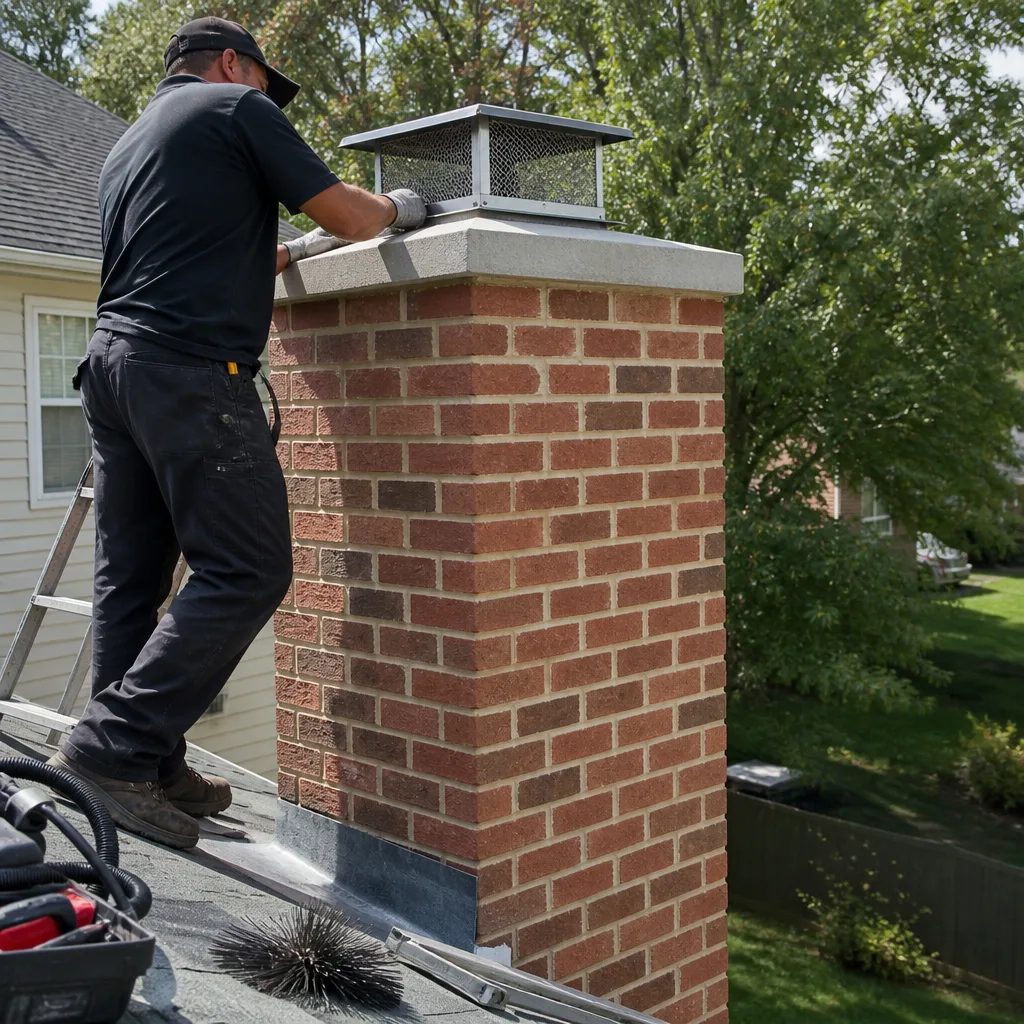
- Cleaning from the bottom up and calling it a full cleaning. Bottom-up brushing with a drill attachment is popular on YouTube, but it leaves the upper flue sections only partially cleaned and cannot address creosote at the cap level. The chimney in a two-story Manassas colonial is roughly 25 to 30 feet tall, and a bottom-up brush simply doesn’t reach the top third effectively for most homeowners.
- Burning a creosote log as a substitute for cleaning. Chimney sweeping logs at Manassas hardware stores break down some stage-one creosote into a powdery residue that falls to the smoke shelf, but they do not remove it, and they do nothing for stage-two or glazed creosote. Worse, they can give a homeowner false confidence that the chimney has been “cleaned” when the combustible material has just been relocated, not eliminated.
- Using the fireplace only occasionally and assuming that means the chimney needs less attention. A rarely used chimney in Manassas is often a more inspected issue than a heavily used one, because animals, leaves, and damp air do their work regardless of burn frequency. If the fireplace has been cold for two seasons, inspect it before firing it. Don’t assume a light-use fireplace means a light-maintenance chimney.
- Getting on the roof with no roof hook, no harness, and no second person. This is the mistake that turns a chimney cleaning into an emergency room visit. Manassas winters produce wet clay shingles, morning ice, and gusty conditions on two-story rooflines. If roof access is part of your DIY plan and you do not have a roof hook and a spotter, the plan is not ready.
- Sweeping without inspecting the crown and cap. A cracked crown or missing cap lets water into the flue and brick, and water degrades creosote into a heavier, more adhesive stage-two coating that a brush will not remove. If water is getting in, cleaning is moot until the water is stopped. The crown and cap are part of the cleaning scope, not a separate repair discussion.
When to Call a Professional
Call a professional if your Manassas home was built before 1985 and the chimney has never been camera-inspected. Call if you smell smoke when the fireplace is not in use, if you see moisture or staining around the chimney breast, if the damper doesn’t seal, or if you have any reason to suspect the chimney has ever had a fire event. Call if you’re selling the home and need a defensible record. Call if the thought of climbing onto a two-story roof in January makes your stomach tighten, which is a reasonable physical reaction and not a personal failing. Level Two Chimney Manassas offers free estimates in Manassas, and you’ll get a written price before any work starts. Call (571) 946-2300.
Frequently Asked Questions
A professional chimney sweep and Level 2 camera inspection in Manassas typically runs $229 to $349, depending on flue height, liner condition, and accessibility. The written price is delivered before work starts, and it includes the camera inspection, the cleaning, the photo record, and the written report. Call (571) 946-2300 for an exact quote on your chimney, and to compare your DIY cost against a real number from a Manassas sweep.
NFPA 211 requires a Level 2 inspection whenever a property changes hands, when the chimney configuration changes, or after a hazard event, but our practice at Level Two Chimney Manassas is to camera-inspect on every single visit regardless. The camera is the only way to see a hairline crack in a clay tile before it becomes a full-thickness failure, and that kind of finding changes the cleaning recommendation in a way no brush can. If cost is the concern, camera-inspecting every other year while self-cleaning in between is a defensible middle path.
The National Fire Protection Association recommends cleaning when creosote reaches 1/8 inch, which for a typical Manassas wood-burning fireplace works out to roughly once per year with moderate use, and twice per season with heavy use or less-than-optimal wood. For a complete maintenance calendar, see our Seasonal Chimney Cleaning Care for Manassas: Year-Round Homeowner’s Guide. The more precise answer is that the camera tells you, not the calendar. A chimney that produced no stage-two creosote in 12 months doesn’t need a sweep; one that produced glaze in eight months needed it sooner.
The creosote builds in the flue and smoke chamber, glazes into a hard, tar-like stage-three coating, and becomes both a chimney fire fuel source and a block to the camera view of the liner underneath. In a Manassas home with an older clay liner, those are the years during which a tile crack can expand undetected. Skip long enough and the fix stops being a $250 cleaning and becomes a $4,000 to $7,000 reline, or a fire that costs far more. The cheapest year to clean a chimney is every year.
Creosote logs break down stage-one creosote into a powdery form that drops to the smoke shelf, but they do not remove the material and they don’t address stage-two or tube-glazed creosote at all. They are a maintenance supplement, not a substitute for a brush, and they provide no inspection value whatsoever. If you’re using creosote logs as your entire chimney maintenance plan in Manassas, you’re deferring the work, not doing it.
It neither helps nor hurts in a directly measurable way, because a DIY cleaning produces no documented record that a buyer or their home inspector can rely on. What helps is a written inspection report from a licensed sweep with camera documentation. A seller in Manassas who can hand over five years of dated camera inspections is in a stronger position than one who says the chimney was self-maintained. The documentation is the value, not the cleaning.
The Bottom Line
The DIY versus professional chimney question in Manassas comes down to this: a brush kit can maintain a flue that has already been assessed, but it cannot assess one. If your home has a newer stainless liner, one floor, consistent fuel, and short seasons, a DIY brush cleaning is a reasonable way to keep annual creosote down between professional camera inspections. If your home was built before 1985 with its original clay tiles, or you have no records of the chimney’s condition, or you’re planning to sell, the brush-first approach skips the only part that actually matters. The camera identifies what needs repair. The brush removes what can be cleaned. They’re not the same job, and in the chimneys we’ve inspected across Manassas since 2009, the difference is where the expensive problems live.
Written by Corrine Halstead, Owner at Level Two Chimney Manassas, serving Manassas since 2009.